REVIEW: “Train to Busan”—Humanity on the Edge of Apocalypse
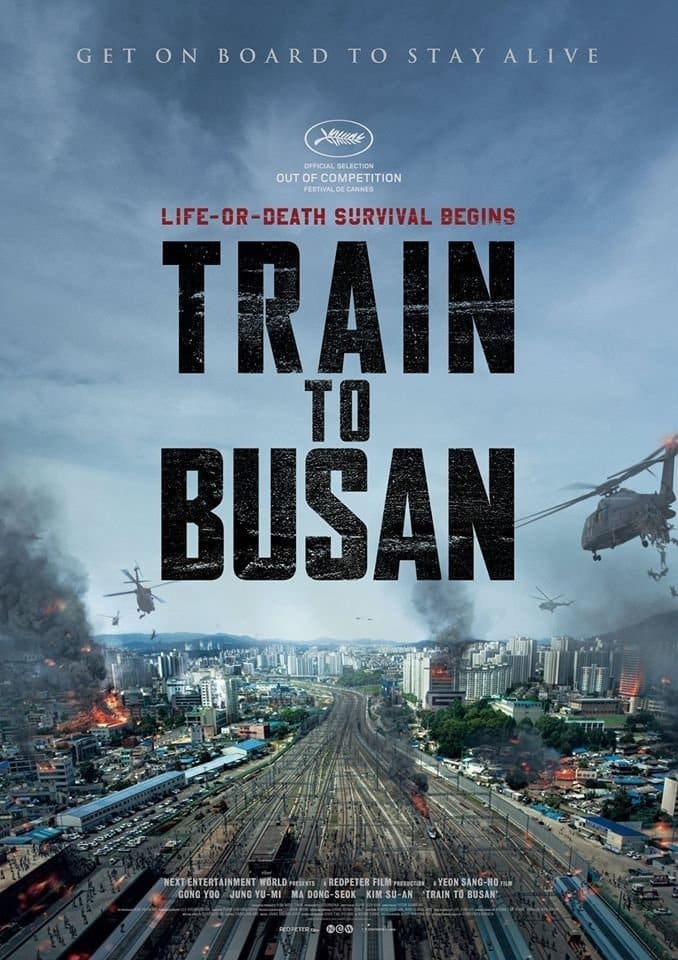
Film: Train to Busan
Native Title: 부산행 (Busanhaeng)
Also Known As: Busan Line , Busan Bound
Director: Yeon Sang-ho
Screenwriter: Park Joo-seok
Release: 2016
Duration: 1 hr. 58 min.
Genre: action, thriller, horror
Tags: zombies, survival, virus, infectious disease, epidemic, disaster, gore, suspense
Where to watch:


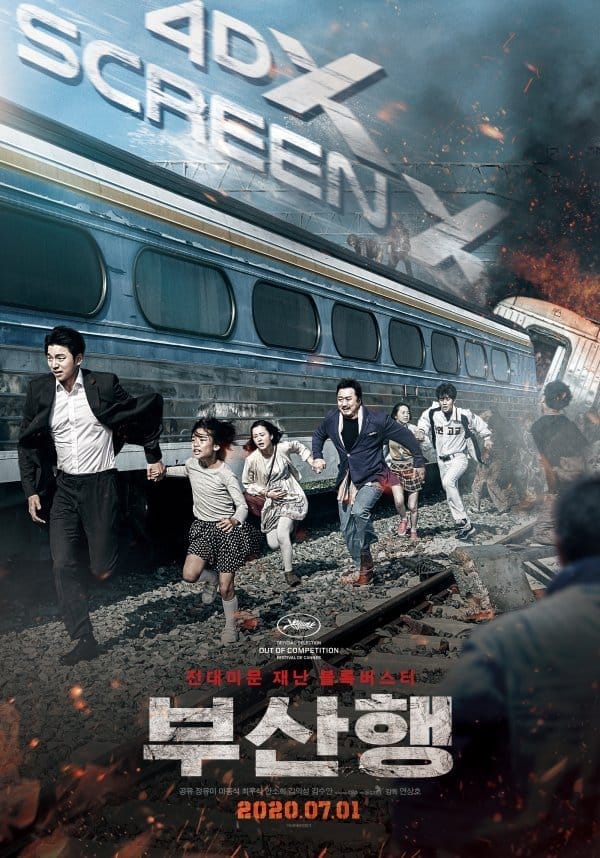
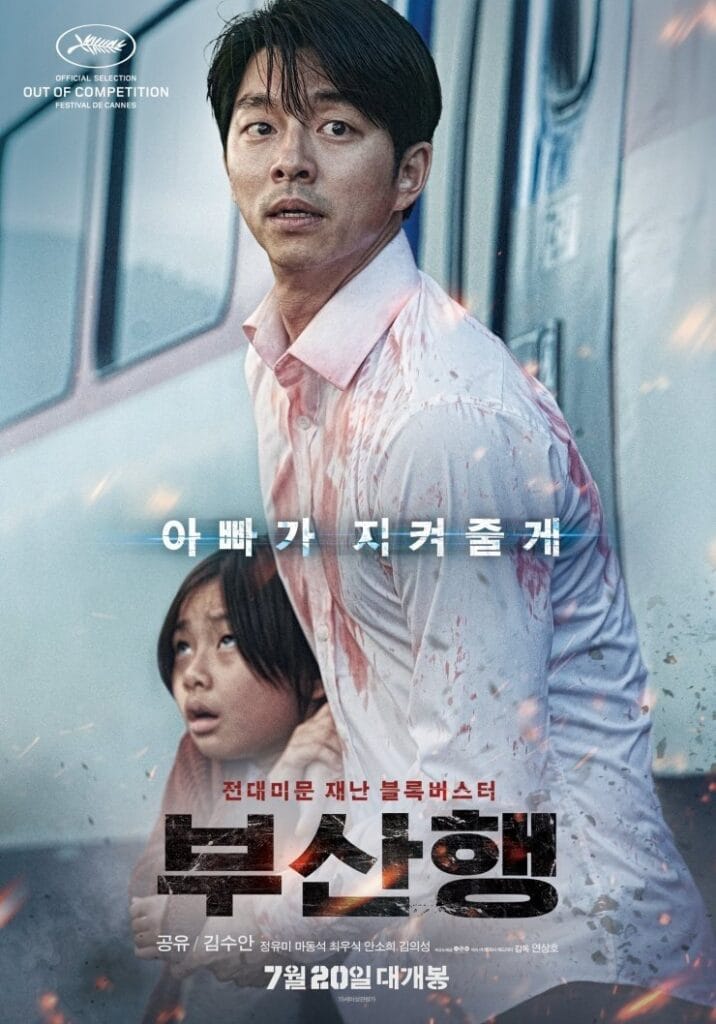
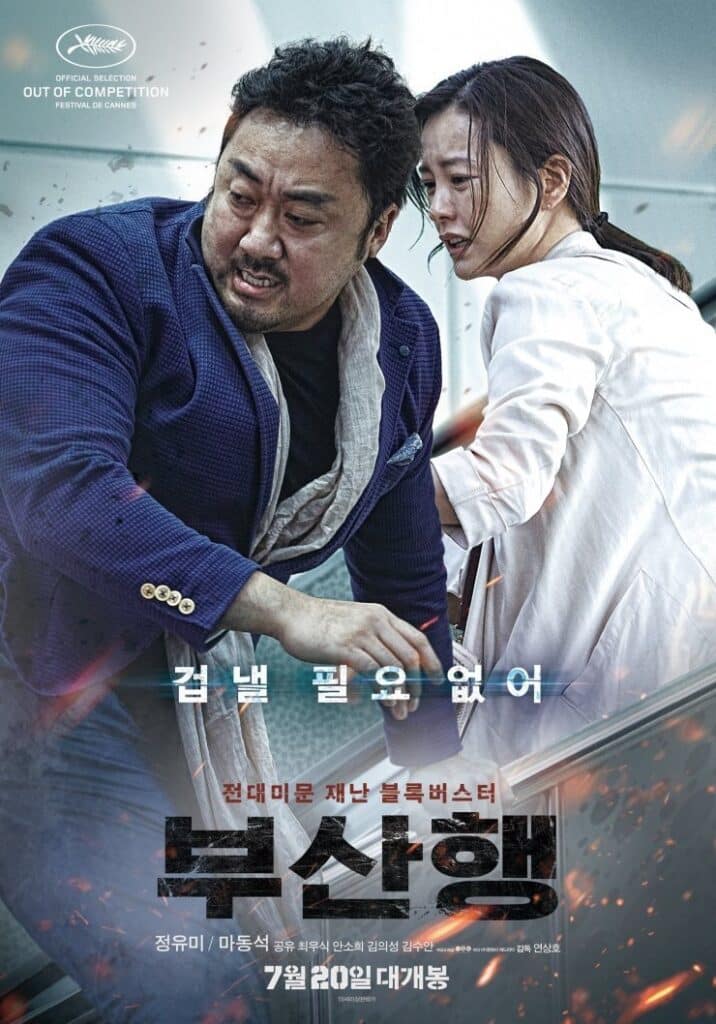
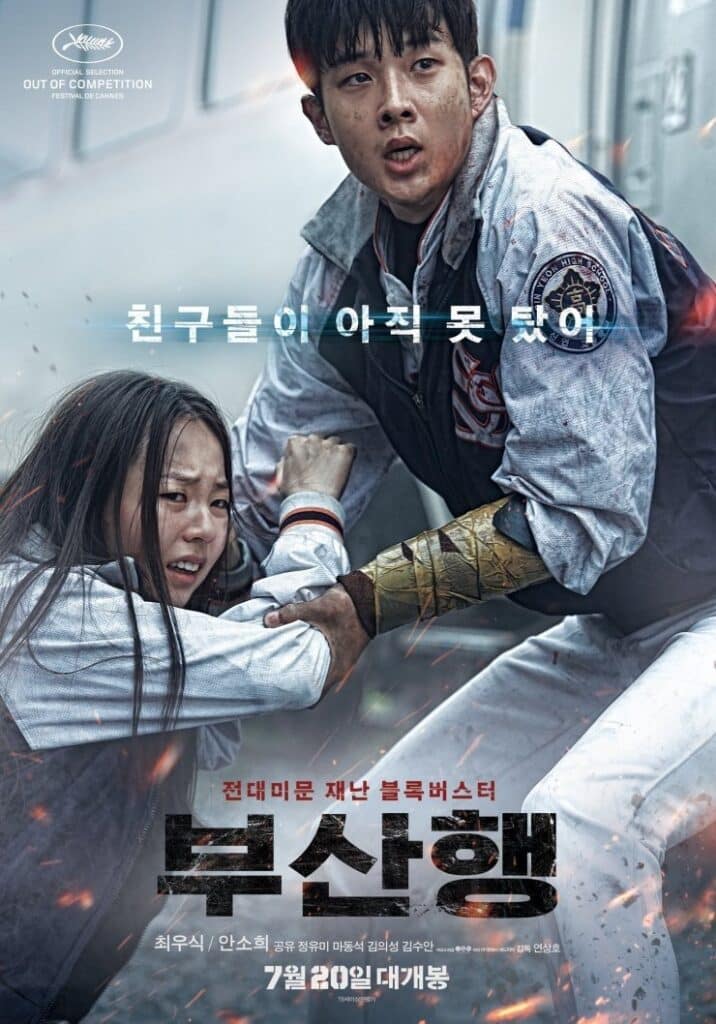
Cast
Main Role

Gong Yoo as Seok-woo

Jung Yu-mi as Sung-kyung

Kim Soo-an as Soo-ahn

Ma Dong-seok as Sang-hwa

Choi Woo-shik as Min Young-guk

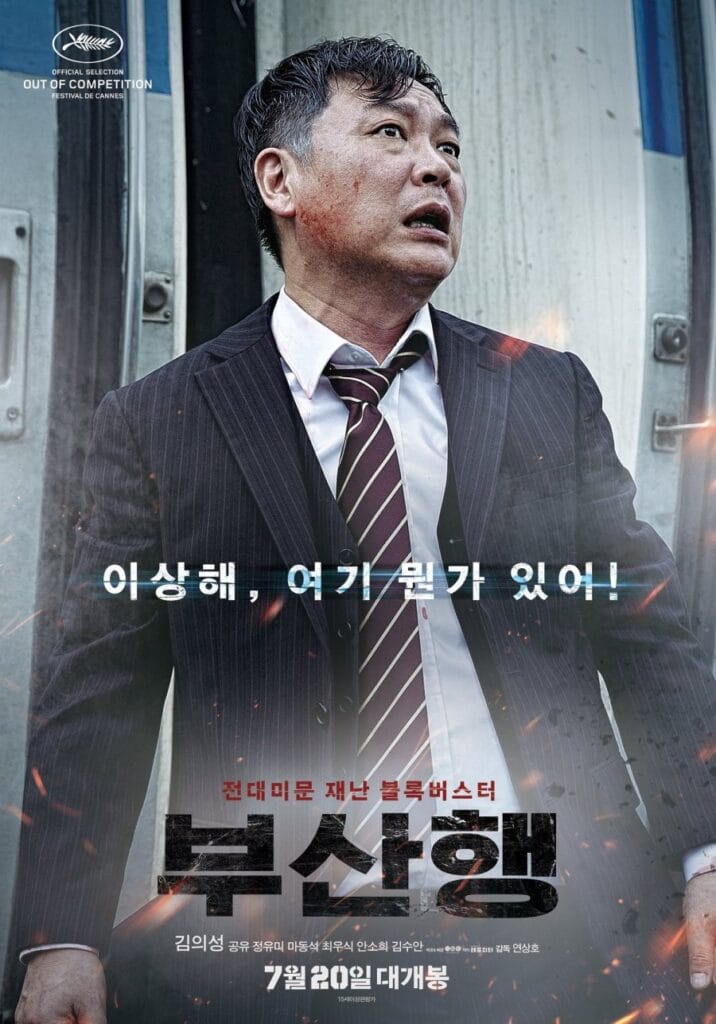
Kim Eui-sung as Yong Suk
A Masterpiece of Horror, Humanity, and High-Speed Survival
Introduction & Overall Impressions
When most people hear “zombie movie,” they expect mindless gore and cheap thrills. Train to Busan shatters that expectation in the first ten minutes. Directed by Yeon Sang-ho, this high-octane Korean thriller combines pulse-pounding action with a raw emotional core, proving that even within the often-clichéd zombie genre, there’s still room for surprise, innovation, and substance.
This isn’t just a story about escaping the undead — it’s about the choices we make under pressure, the thin veil separating civilization from chaos, and the deep reservoirs of humanity that rise (or collapse) in crisis. It’s no wonder the film became a global phenomenon, grossing over $90 million worldwide and becoming the first Korean film of 2016 to surpass 10 million viewers.1
Plot Summary (Spoiler-Free)
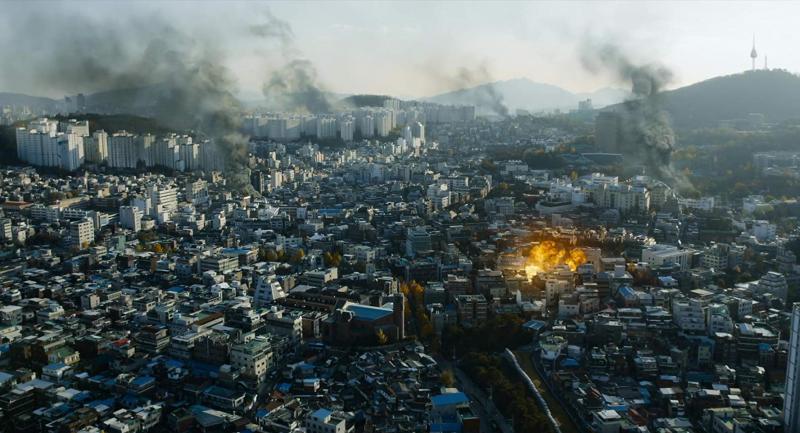
Set almost entirely aboard a high-speed train from Seoul to Busan, the story follows Seok-woo, a busy fund manager, and his young daughter Su-an as they try to escape a zombie outbreak engulfing South Korea. Their simple journey quickly spirals into a desperate fight for survival as infected passengers overrun the train. With each stop posing new dangers and the world outside descending into chaos, the surviving passengers must confront not just the undead — but each other.

A Survival Story with Soul
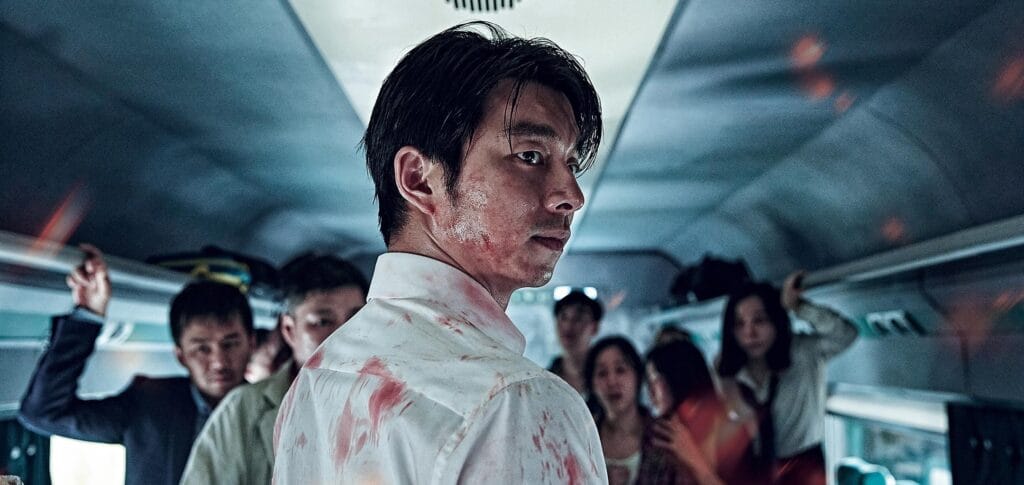
A harrowing zombie horror-thriller, Train to Busan follows a group of terrified passengers battling through a nationwide viral outbreak while trapped aboard a suspicion-filled, blood-drenched bullet train hurtling toward Busan — a city rumored to be safe… or so everyone hopes.
Forget the clichés — this is no mindless zombie splatter fest. It’s a relentless ride packed with raw emotion, desperate choices, and visceral action. If you’re a fan of thrillers or zombie flicks, you’re in for a two-hour experience that’s as heart-pounding as it is heart-wrenching.
This film has it all: a hero’s emotional arc, real character development, nerve-shattering tension, gripping drama, heart-piercing sacrifice, moments of unexpected humor, and top-tier cinematography. It’s a survival story with soul — and one of the most unforgettable entries in zombie cinema to date.
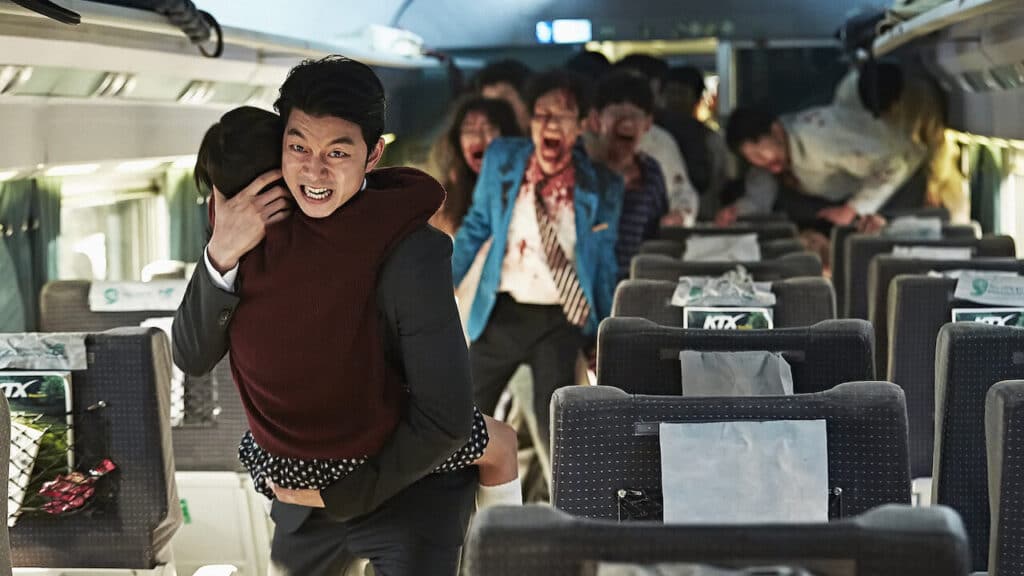
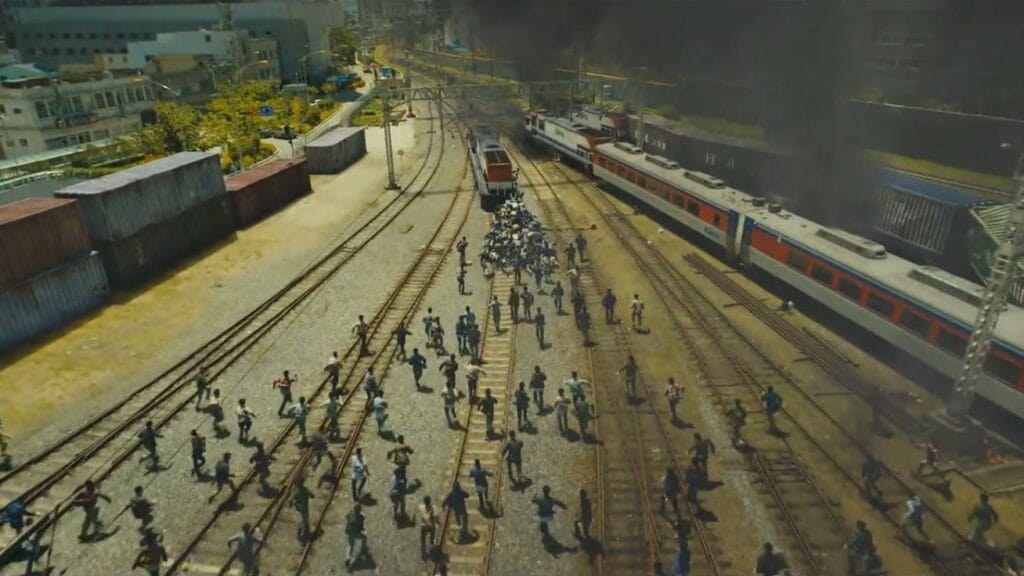
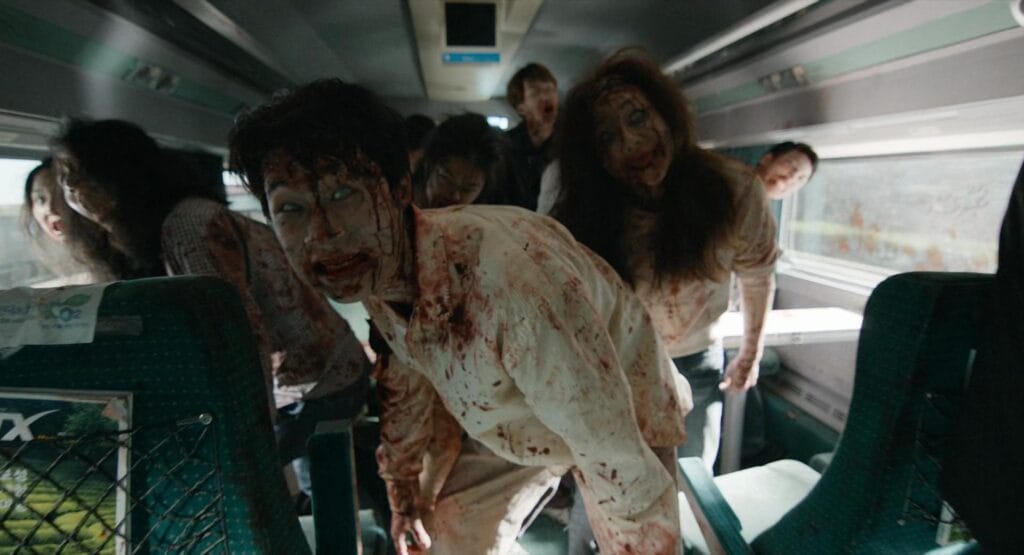
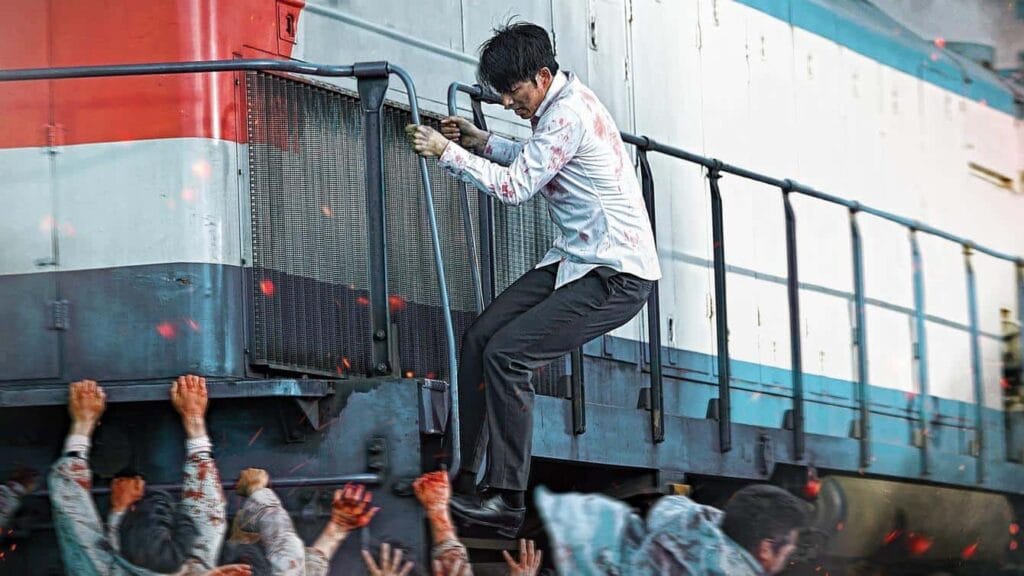
Let’s talk about the zombies. These aren’t your slow, lumbering corpses. They’re fast, vicious, and unrelenting. It makes the outbreak feel terrifyingly real — more plausible than most of the genre. The infection spreads with horrifying speed, and unlike many Western zombie shows (Fear the Walking Dead, for example), this film succeeds in showing how quickly a civilization can collapse. There’s no time for questions or explanations — only survival.
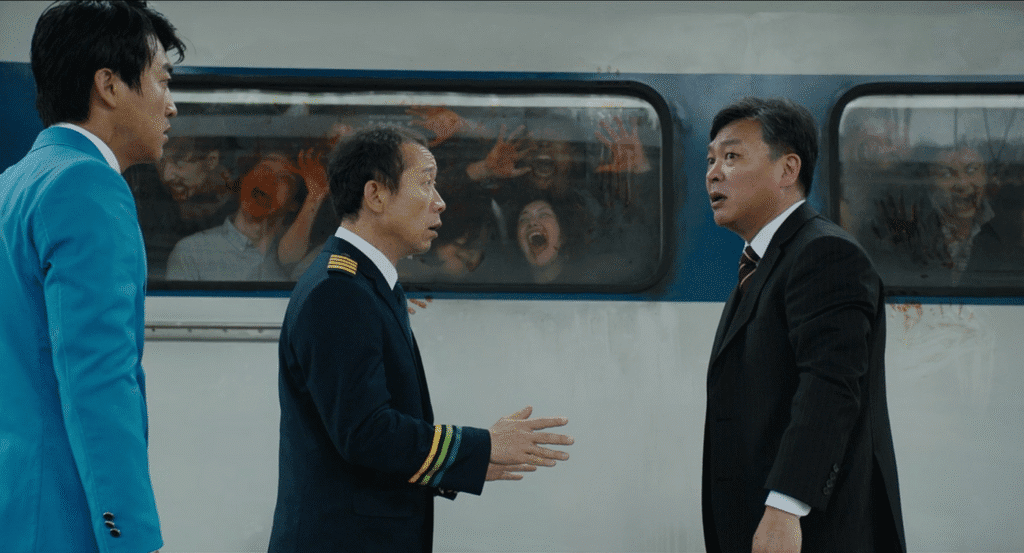
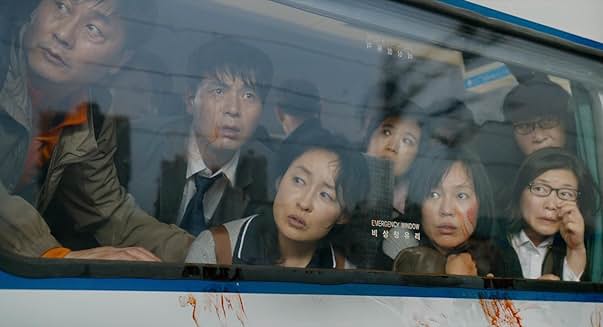
The claustrophobic setting of a train only amplifies the tension. Every car is a battleground. There’s nowhere to run, nowhere to hide. The sense of panic, the raw survival instinct of some passengers contrasted with the resignation of others — it all feels brutally real.
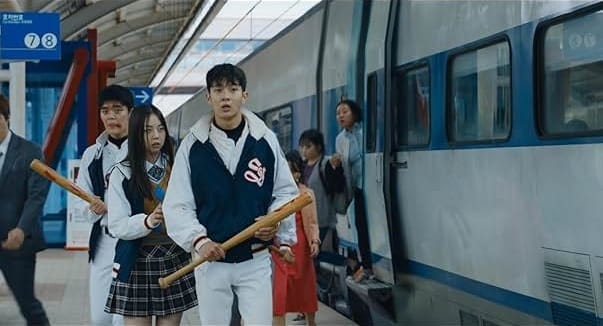
And unlike the cool, stylized apocalypse of The Walking Dead, there’s nothing glamorous here. No guns, no heroes, no fantasy of escape. Just real people — a father and daughter, a working-class couple, teenagers, elderly sisters — each trying to live through the worst day of their lives. And the tragedy? Most won’t.
Characters
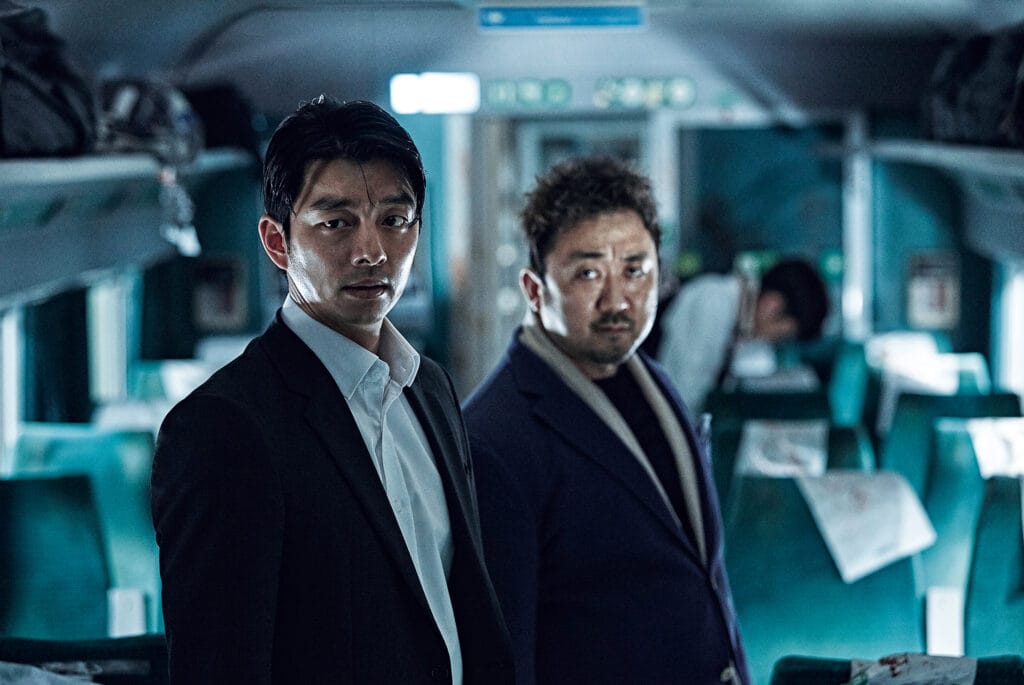
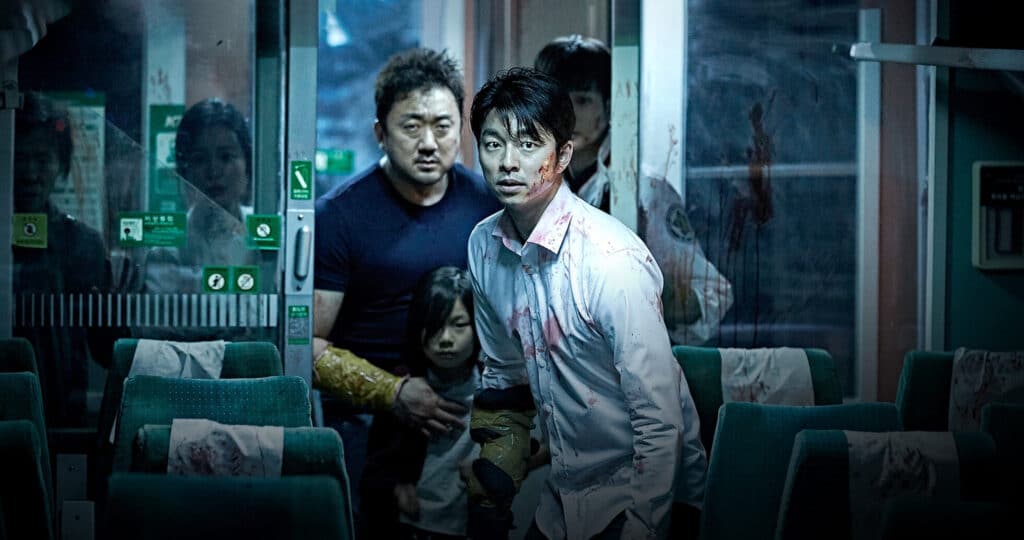
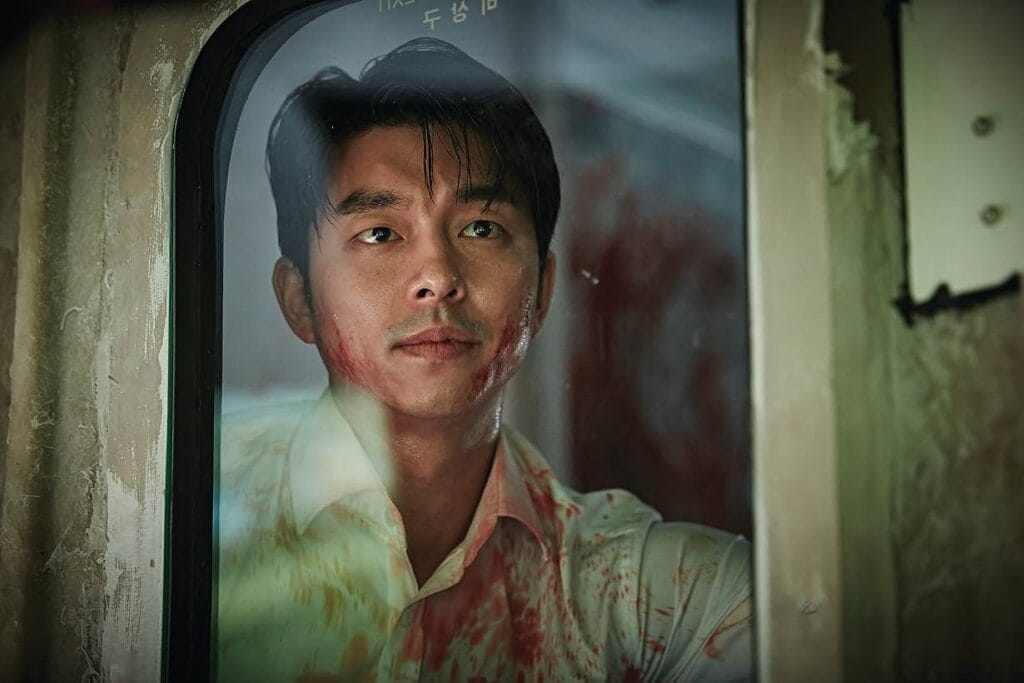
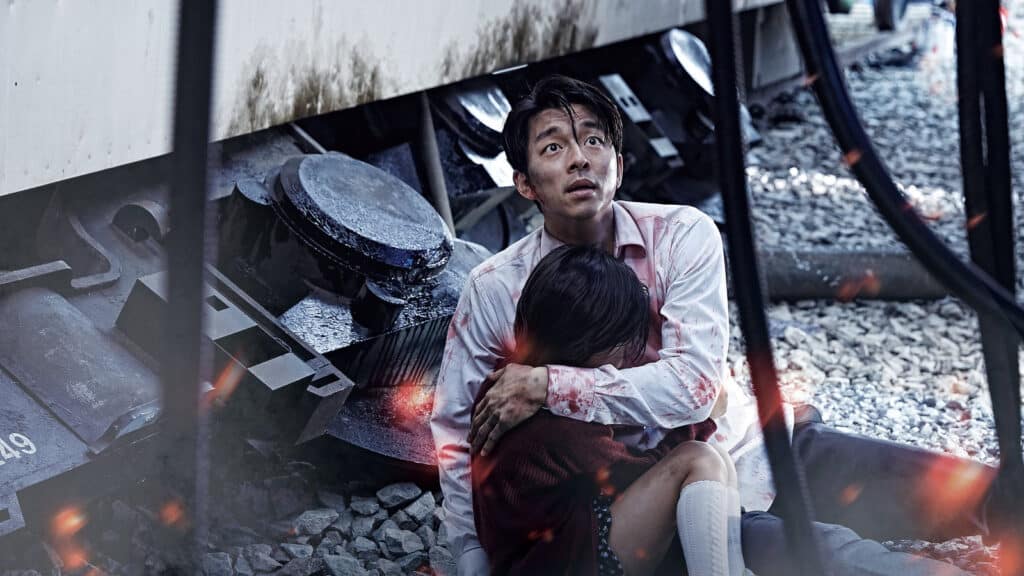
Seok-woo (Gong Yoo) begins the film as a cold, emotionally distant father, preoccupied with his career and largely estranged from his daughter. His transformation is the film’s emotional backbone — as he goes from self-centered and passive to actively selfless and heroic.
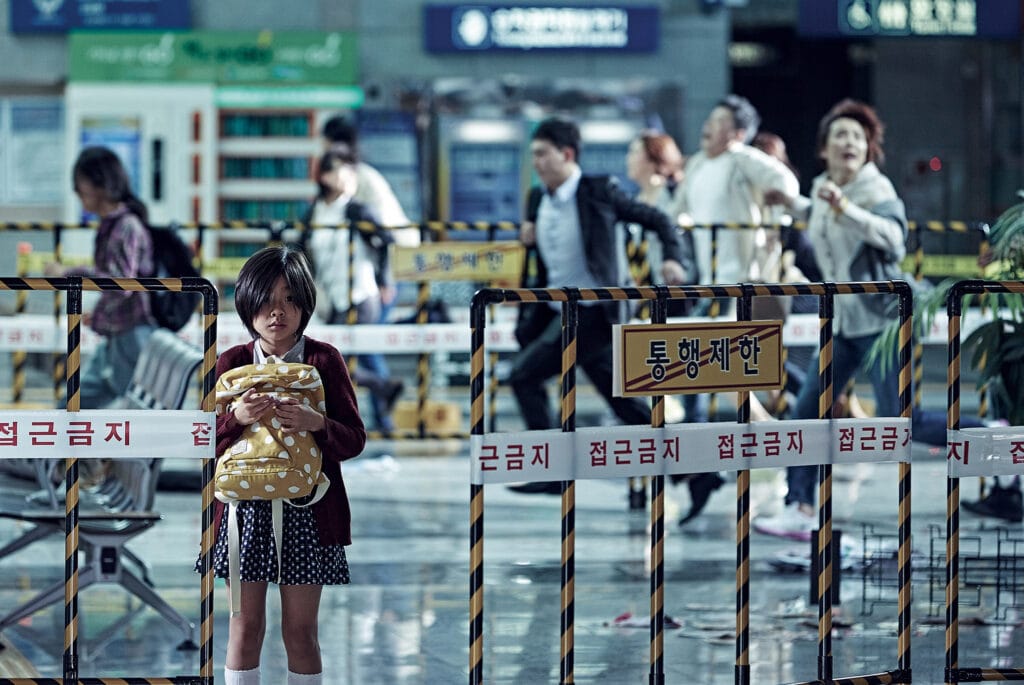
Su-an (Kim Su-an), his daughter, is a revelation. One of the finest child performances in any genre, she grounds the film in innocence and emotional truth. Her quiet resolve and heartbreaking vulnerability make her the emotional anchor of the story.
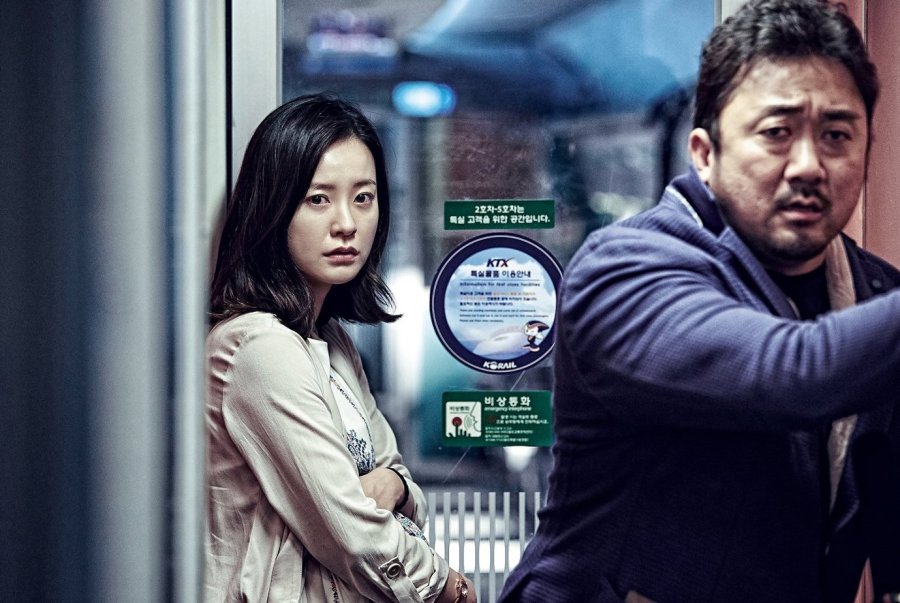
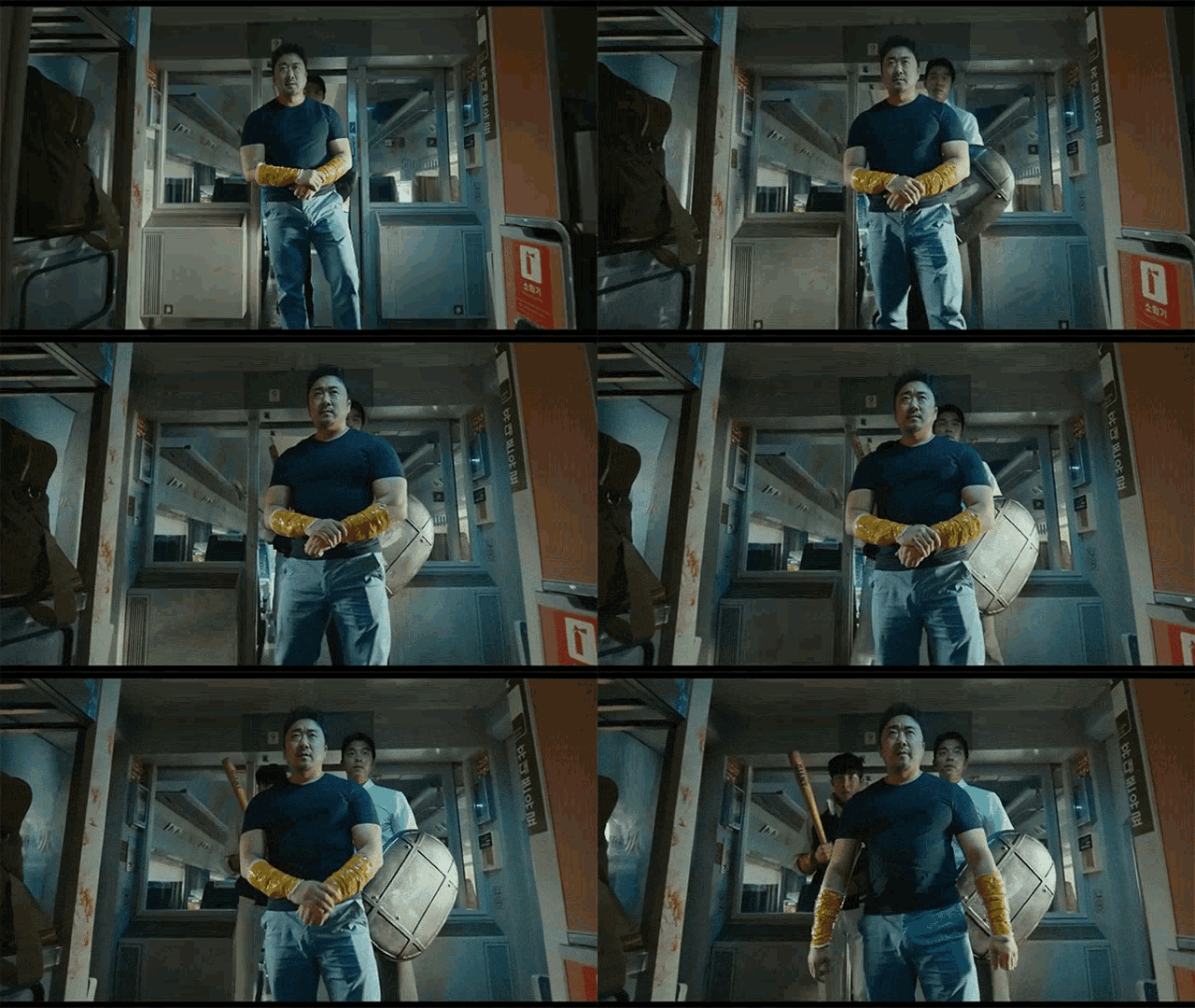
Sang-hwa (Ma Dong-seok) and Seong-kyeong (Jung Yu-mi), a working-class couple expecting a child, bring humor, heart, and grit to the narrative. Sang-hwa, especially, steals the show with his tough-guy bravado and soft-hearted loyalty.
Yong-suk (Kim Eui-sung) stands out as one of the most loathsome villains in zombie cinema — a cowardly executive whose selfish decisions put others at risk. His character highlights the film’s central conflict between survivalism and solidarity.
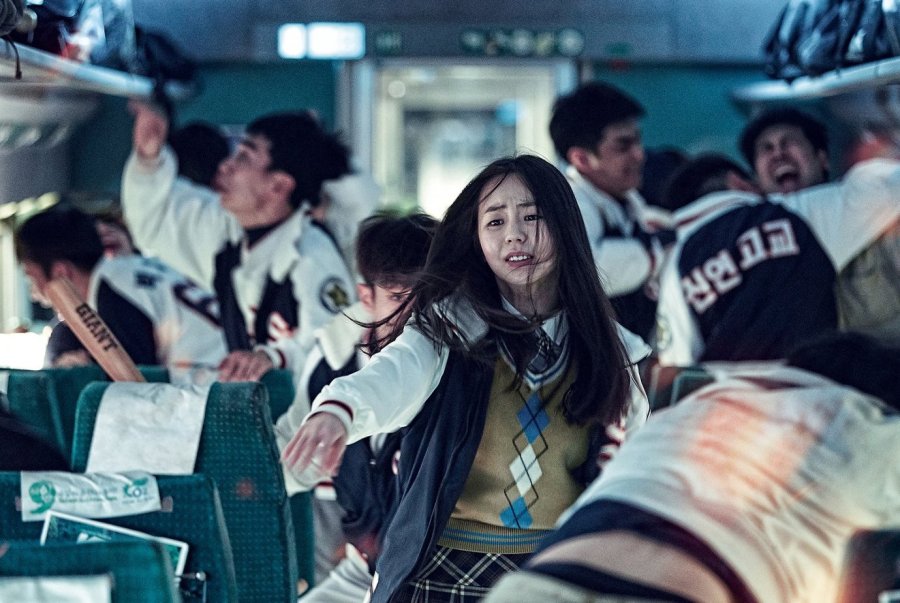
Supporting characters like the high school couple and the elderly sisters round out the cast with touching moments that reveal the breadth of human response to terror.

Themes & Symbolism
Beneath its thriller surface, Train to Busan is a film rich with social commentary. It critiques classism, selfishness, and the fragility of social order. The train’s compartments symbolize social divisions, with the wealthy in first class often making decisions at the expense of the working class. Characters like Yong-suk serve as avatars for corporate greed, showing how fear can be manipulated to justify cruelty.
The film also explores redemption, parenthood, sacrifice, and the painful choices we must sometimes make for those we love. Its emotional impact is heightened by how realistically it portrays human reactions: fear, panic, courage, and despair.
Cultural Context
Released in the wake of the MERS outbreak and amidst rising societal tensions in South Korea, Train to Busan mirrors public anxiety about trust in institutions, the inequality between classes, and the fragility of collective safety. South Korea’s rapid modernization, urban density, and social stratification are all subtly reflected in the film — from the fast-spreading infection to the train’s physical separation between carriages. It’s a zombie film, yes — but also a layered portrait of a nation under stress.
Direction & Cinematography
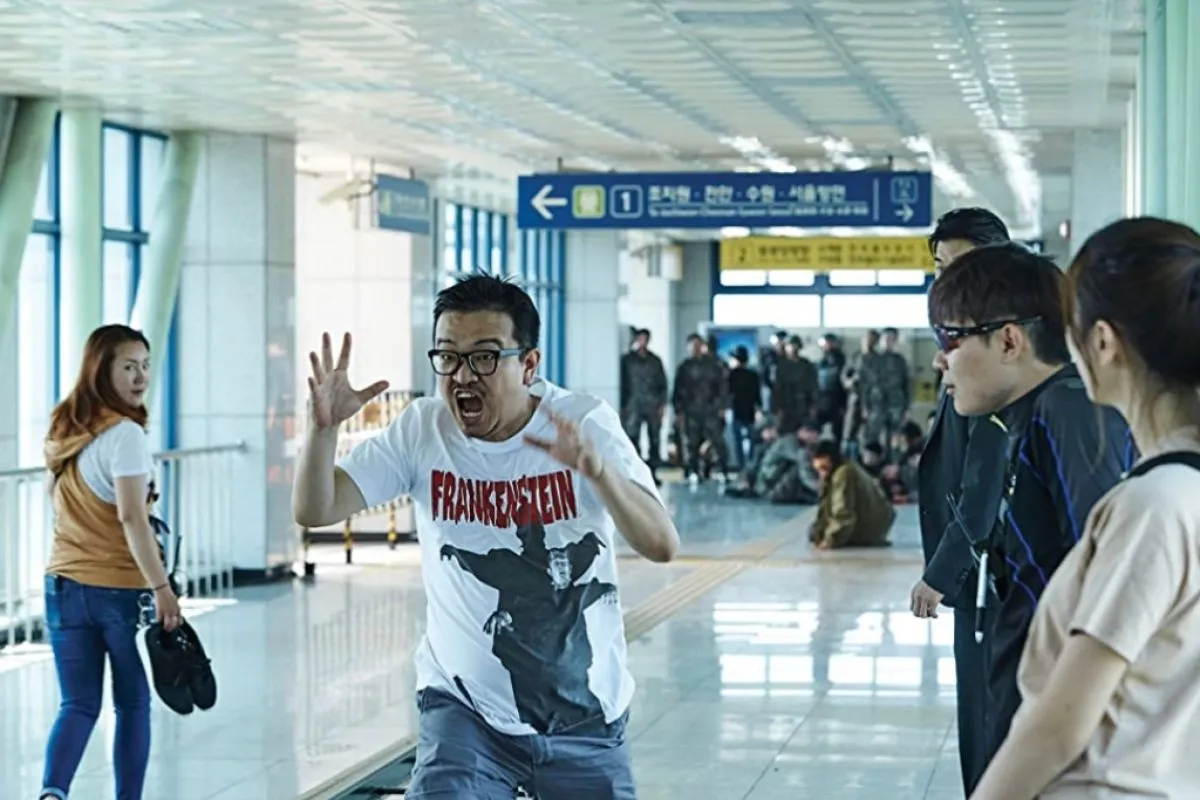
Yeon Sang-ho, in his live-action debut, exhibits remarkable command over pacing and tone. His background in animation (notably Seoul Station) shows in the kinetic energy of his storytelling. The cinematography by Lee Hyung-deok makes expert use of confined spaces, capturing the claustrophobia of the train without losing visual clarity.
The use of tight corridors, shifting light (especially in tunnels), and chaotic action scenes is masterful. The camera rarely pulls back, immersing the viewer in each scuffle and scramble, elevating the suspense through proximity.

Soundtrack / OST
Composed by Jang Young-gyu, the score is subtly powerful — it doesn’t overwhelm but enhances. The soundtrack builds tension where needed, using silence as effectively as it uses sound. Its shifts between emotional and frantic tones underscore the film’s dual identity as both action-horror and drama.
Setting & Atmosphere
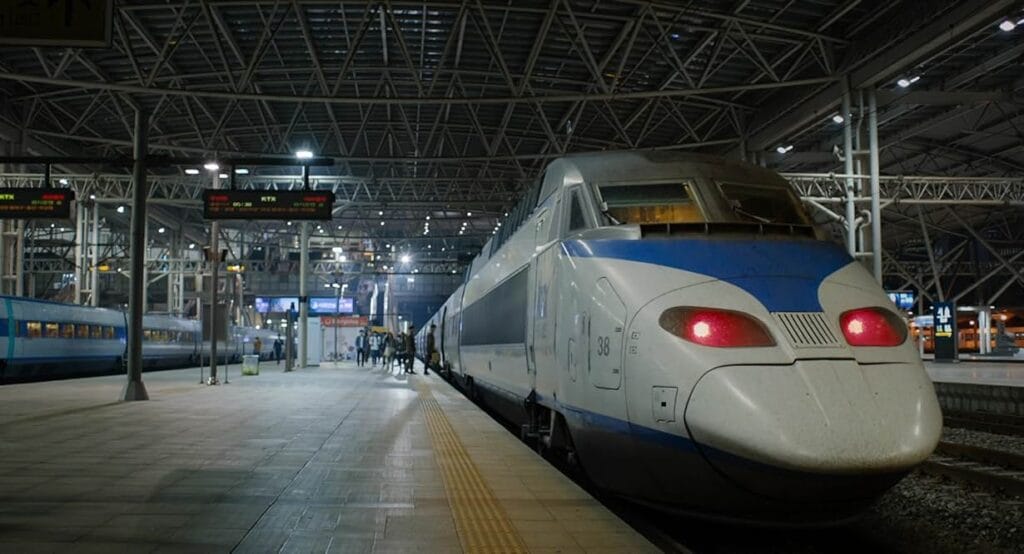
The choice to set nearly the entire film on a train is a stroke of genius. It enforces a relentless pace and intensifies the stakes. There’s no hiding, no escape — only forward movement. The ever-changing environment (stations, tunnels, cityscapes) outside the windows heightens the tension, while the sleek, modern interiors of the KTX train provide an ironic contrast to the primal chaos erupting inside.
Film Connections & Influences
Fans of Bong Joon-ho’s Snowpiercer will feel the thematic resonance in the class conflict and confined setting. The fast-moving zombies evoke the terror of 28 Days Later and the kinetic chaos of World War Z. It also serves as a spiritual sequel to Yeon’s own Seoul Station, expanding on the outbreak with more emotional stakes.
Favorite Scenes
One standout sequence involves Seok-woo and Sang-hwa fighting their way through multiple zombie-filled train cars in near-darkness. Using the train’s tunnels to their advantage, they sneak past zombies who can’t see in the dark — a brilliant twist on the usual zombie trope.
Another unforgettable scene is Su-an’s final moment of vulnerability — a heart-wrenching emotional climax that delivers one of the most devastating and cathartic moments in modern horror cinema.


Personal Reflections
I still remember the first time I watched Train to Busan. I went in expecting a standard zombie flick — some gore, some screams, and a few entertaining chases. What I got instead was one of the most unexpectedly moving and memorable film experiences I’ve ever had.
It’s fast, brutal, and at times terrifying. But more than that, it’s deeply human. As someone who’s watched dozens of zombie films, I was surprised not just by the tension, but by how emotionally attached I became to the characters. I cried — more than once.
The zombie actors also deserve praise — their movement and expressions are deeply unsettling, even without over-the-top prosthetics. Their eerie, convulsive presence is unnerving in a way that feels believable, not exaggerated.
The cinematography is another standout. Unlike many horror films that rely on darkness and jump scares, Train to Busan takes place mostly in daylight — and still manages to keep you on edge. The film looks stunning, and the seamless editing heightens the chaos and claustrophobia. The action sequences are brutal but grounded, never losing their sense of realism.
What truly sets Train to Busan apart, though, is its emotional core. At first, the characters might seem archetypal, but the more you watch, the more they evolve. Their motives shift, alliances form and fracture, and you’re left not just rooting for survival — but emotionally invested in who lives, and why.
This movie reminded me that even in genre cinema, stories can be powerful, vulnerable, and profoundly moving. It asks: What kind of person are you when everything falls apart? It proves that horror can be elevated by heart — and that a zombie movie can break you.
This isn’t just a zombie movie. It’s a study in how people respond to fear — and a haunting reminder of both our worst and best instincts. It’s gory, yes. Terrifying, absolutely. But it also has moments of grace, love, and sacrifice. And that’s what stays with you long after the credits roll.
To call Train to Busan just a great zombie movie feels like an understatement. It’s a modern classic. A genre-defining experience. And quite possibly one of the best films I’ve ever seen.
Behind the Scenes & Trivia
- The zombie actors underwent “zombie movement training” for weeks to perfect their eerie, jerky motions.
- Train to Busan was the first Korean film of 2016 to surpass 10 million viewers.
- It premiered at the Cannes Film Festival in the Midnight Screenings section.
- The Train to Busan franchise includes the animated prequel Seoul Station (released shortly before the main film but set earlier in the story) and the action-packed sequel Peninsula (2020), developed following Train to Busan’s global success.
Strengths & Weaknesses
Strengths:
- Tightly structured narrative with compelling pacing
- Rich character development
- Strong social commentary
- Unique and immersive setting
- Emotional depth rarely seen in genre films
Weaknesses:
- Some character arcs rely on familiar genre beats
- The final act leans into melodrama, which may resonate deeply with some viewers, but feel a bit heavy-handed to others
- Villainy of Yong-suk may feel exaggerated to some
Closing Thoughts
Train to Busan is not just the best Korean zombie movie — it’s one of the finest entries in the genre worldwide. Combining the adrenaline of a survival thriller with the soul of a family drama, it delivers a cinematic experience that is both heart-pounding and heart-wrenching.
This is not just about the undead. It’s about the living — the flawed, the desperate, the brave, the selfish, and the selfless. It’s about how people change under pressure, and how sometimes, in the worst moments, we find the best parts of ourselves.
From its blistering pace to its unforgettable emotional beats, Train to Busan leaves a mark. One of the rare zombie films that actually made me cry. I’ve seen it more than once, and each time, it still surprises me. Still terrifies me. Still moves me.
If you think you’ve seen every zombie movie there is, Train to Busan will remind you what real stakes — and real heart — look like. A masterpiece of genre filmmaking.
🧠 Discussion Prompt: Was Yong-suk really evil, or was he just doing what anyone would to survive?
🤔 What would you do? Would you risk letting strangers into your safe space during an outbreak?
Let me know in the comments or DMs — I want to hear your thoughts.

Trailer
Recommendations
1, “Train to Busan,” Wikipedia, https://en.wikipedia.org/wiki/Train_to_Busan
Disclaimer: All images are owned by their respective creators. Used here under fair use for review purposes.