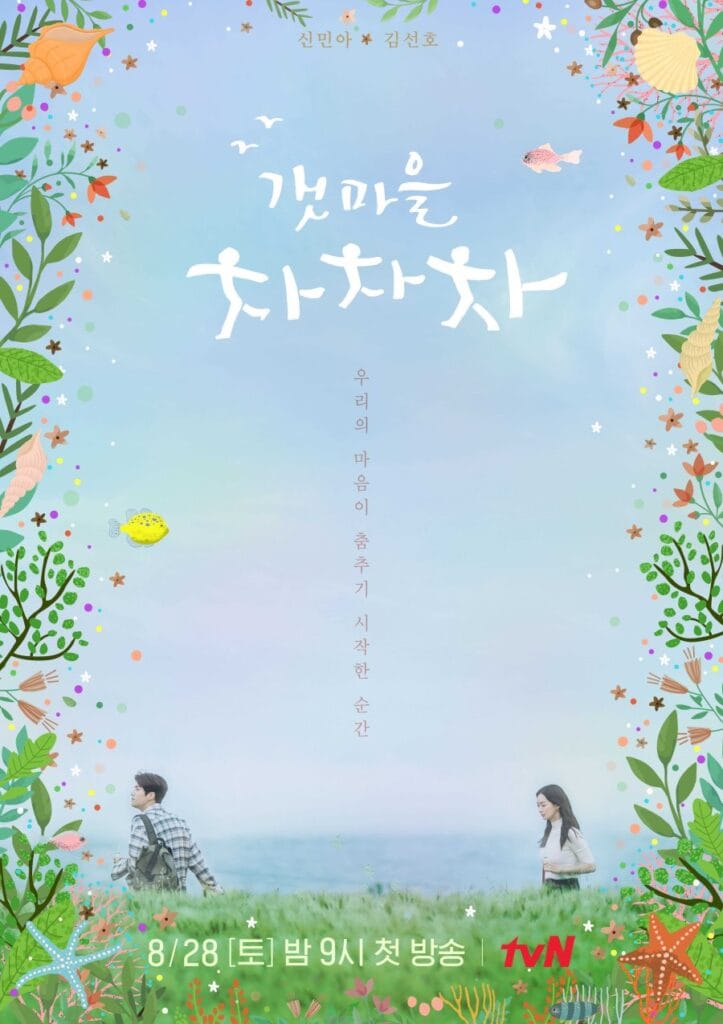
REVIEW: “Hometown Cha-Cha-Cha”—Dimpled Love and Coastal Healing
Drama: Hometown Cha-Cha-Cha
Native Title: 갯마을 차차차 (Gaetmaeul Cha-Cha-Cha)
Also Known As: The Sea Village Cha Cha Cha
Director: Yoo Je-won
Screenwriter: Shin Ha-eun
Release: 2021
Episodes: 16
Original Network: tvN
Genre: romance, comedy, life, drama
Tags: character development, opposites attract, cozy, slow-burn, healing, village setting, love triangle, bromance, humor, summer, feel-good
Where to watch:






Cast
Main Role

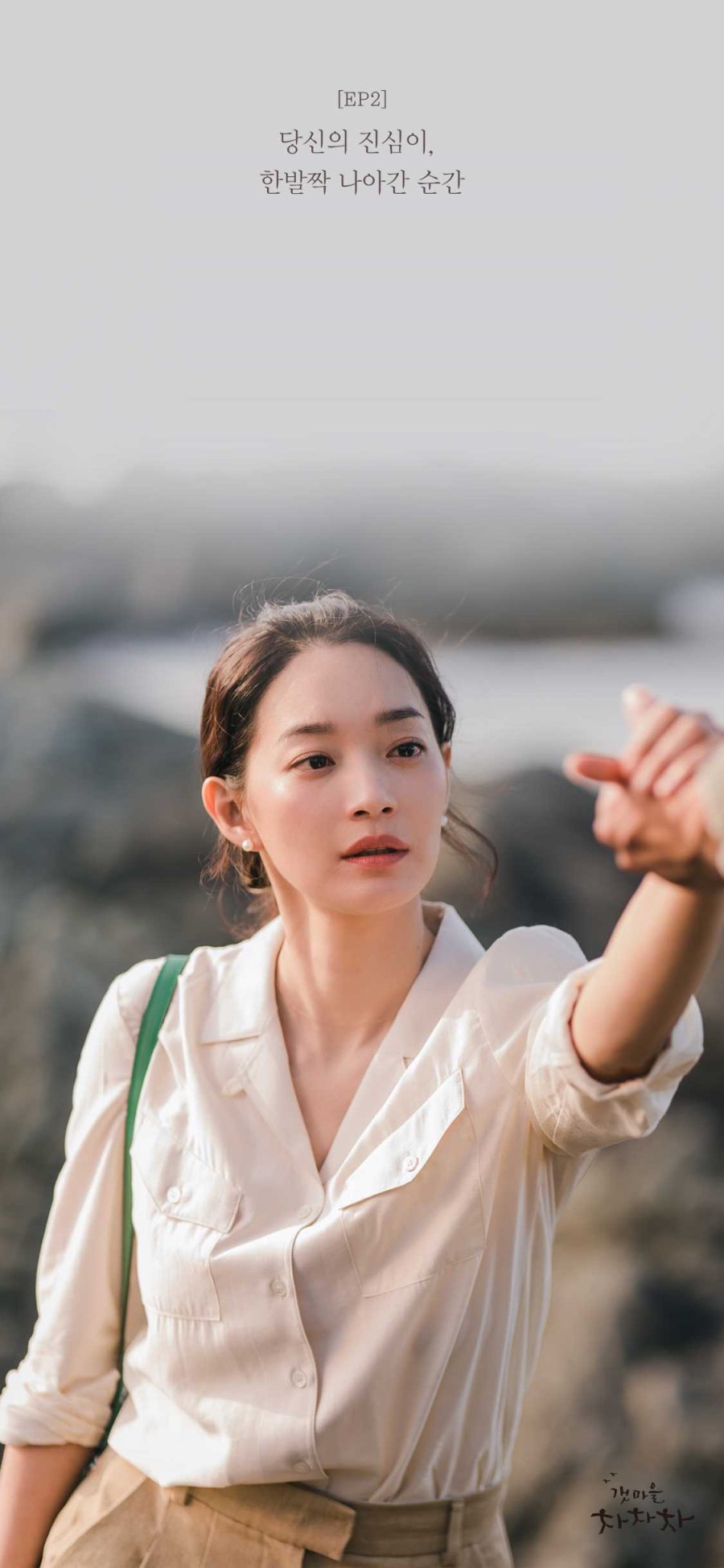
Shin Min-ah as Yoon Hye-jin

Kim Seon-ho as Hong Doo-shik

Lee Sang-yi as Ji Sung-hyun
Support Role

as Pyo Mi-seon [Hye Jin’s best friend]
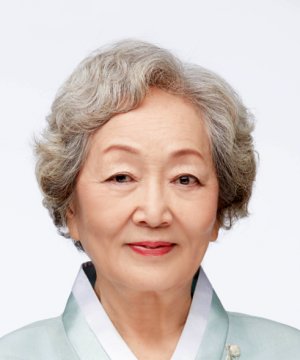



as Oh Chun-jae / Oh Yoon [‘Live Cafe & Pub’ owner]

as Choi Eun-chul [Police substation’s constable]
Small Town, Big Feels, and One Very Handsome Handyman

How a Seaside Rom-Com Quietly Rewrote My Heart
Where do I even begin?
I hit play on what I thought would be a breezy coastal rom-com—something light, maybe even forgettable. A few laughs, a love triangle, a pretty sunset or two. I’d heard the buzz about Hometown Cha-Cha-Cha—dimples, small-town charm, seaside healing—but I didn’t expect to fall so hard, so fast.
Two days later, I was still humming “Lalalalalala~ Romantic Sunday,” googling “how to move to Gongjin,” and wondering if I could survive as a clueless city girl in a town where the handyman is hotter than should be legally allowed.
I came for the dimples. I stayed for the healing. What I got wasn’t just a love story. It was an emotional whiplash in the best way—life lessons from halmeonis, found family, and dimpled chaos wrapped in comfort.
Hometown Cha-Cha-Cha didn’t need villains or plot twists. It whispered instead of shouted—and still managed to echo loudly. No murders. No gasp-worthy cliffhangers. Just ordinary, flawed people learning how to live, love, grieve, and forgive.
And yet this quiet little coastal drama cracked Netflix’s global Top 10 and sparked a fandom that now speaks fluently in quotes and emoji-dimples.
In a chaotic, post-pandemic world, it gave us something gently radical: a place to rest. A reminder that small stories still matter. That kindness counts. That healing doesn’t require spectacle—just presence.
So what made Hometown Cha-Cha-Cha so special?
Let’s unpack the bags we brought to Gongjin—and the ones we left behind.
Welcome to Gongjin: Why Hometown Cha-Cha-Cha Feels Like Coming Home
You know that feeling when life burns you out, and all you want is to escape to a sleepy seaside town where the air smells like salt, the neighbors are nosy but kind, and the local handyman is somehow hotter than your therapist would approve of? That’s Hometown Cha-Cha-Cha. A warm cup of tea on a rainy day. A show that doesn’t scream—it hums.
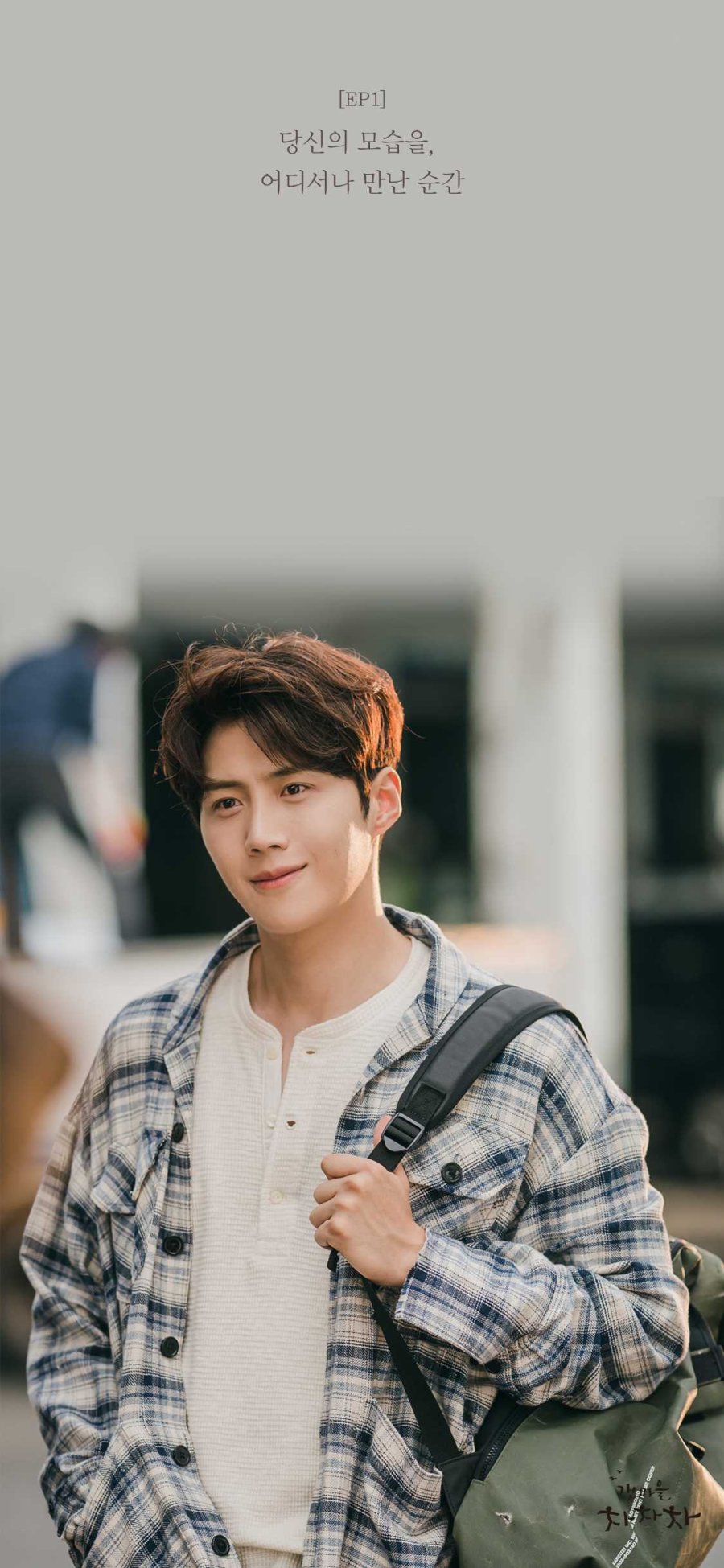
We meet Yoon Hye-jin, a sharp, ambitious dentist from Seoul who lands in the quiet coastal village of Gongjin after a professional hiccup. There, she meets Hong Du-sik (a.k.a. Chief Hong)—a humble, mysterious jack-of-all-trades who fixes everything except himself. Naturally, they clash. Naturally, they fall for each other.
But this isn’t just a romance—it’s a story about starting over. Their connection builds not through fireworks, but through market-day mishaps, shared umbrellas, and rooftop conversations. It’s a slow unraveling of pride, grief, and the fear of being truly seen.
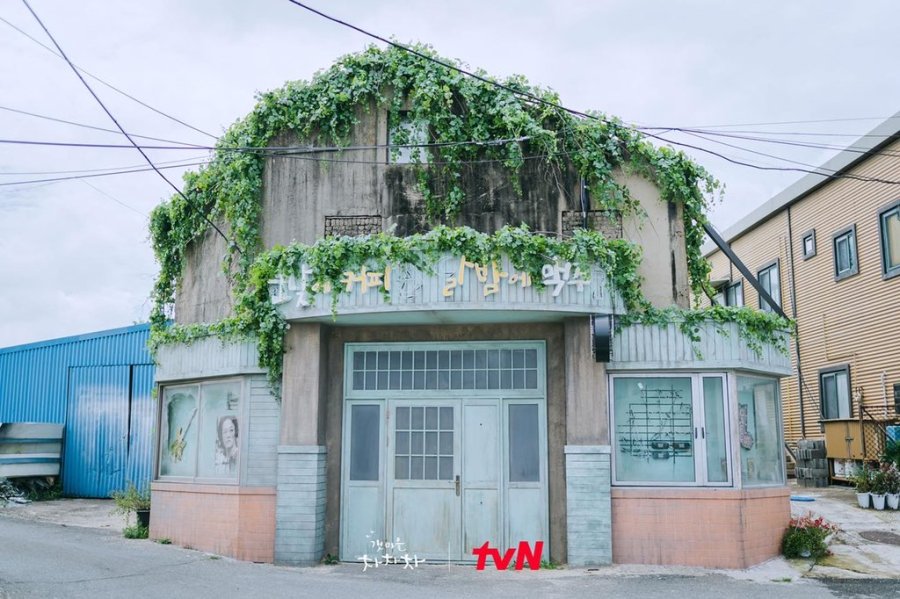
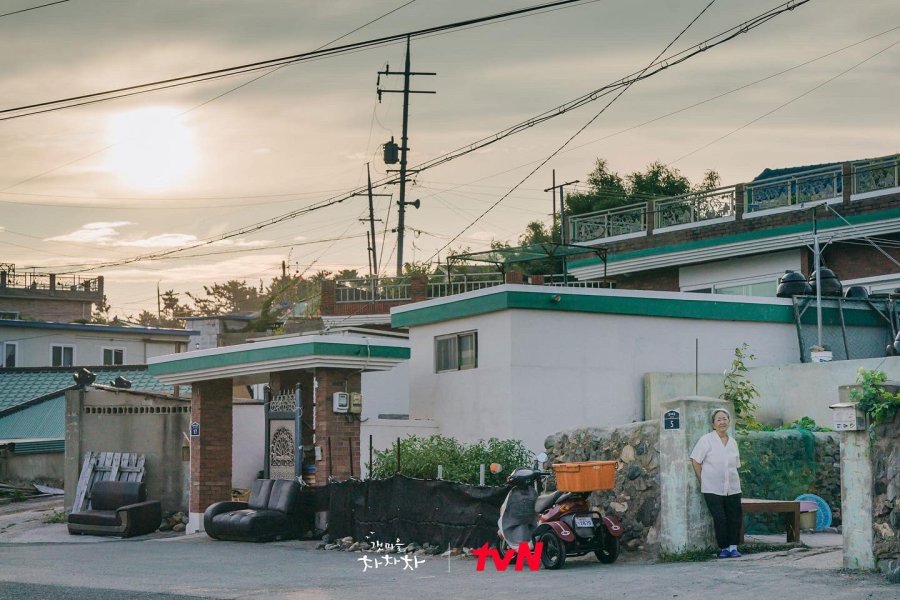
And surrounding them is Gongjin—a fictional village filmed in the real town of Pohang. More than a backdrop, the village is a character of its own. You can even visit many of the sets, including Chief Hong’s house—just don’t expect him to answer the door.
It’s a familiar setup, sure. But in the hands of writer Shin Ha-eun and a cast brimming with quiet brilliance, Hometown Cha-Cha-Cha becomes something rare: simple, sincere, and never small.


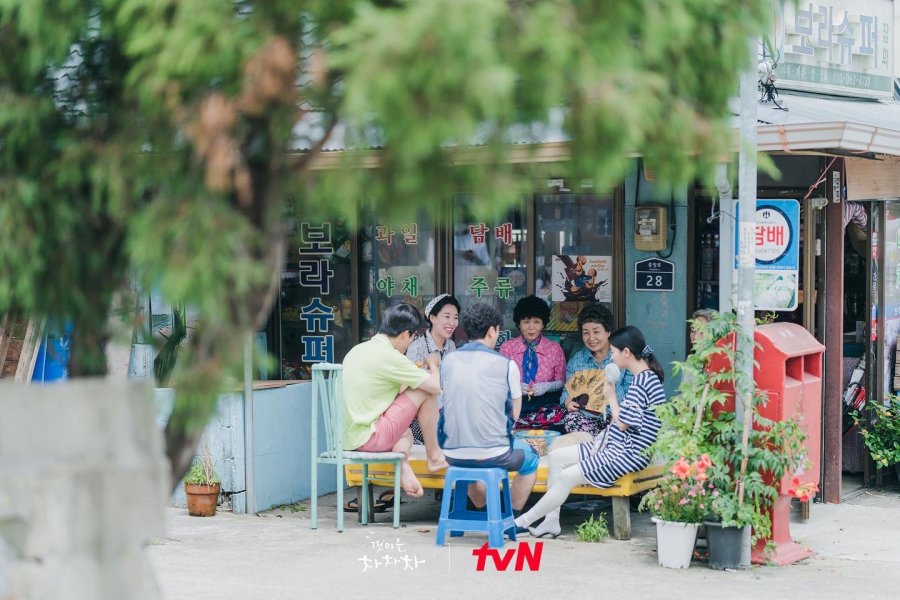
A Love Letter to Gongjin
Some shows entertain. Some surprise. But Hometown Cha-Cha-Cha felt like coming home.
What started as a breezy rom-com grew into something deeper—a quiet meditation on community, connection, and the kind of love that stays. Gongjin, the sleepy town at the heart of it all, isn’t just where the story unfolds. It is the story.
From the gossiping halmeonis to the café owner raising his daughter alone, every corner of this town breathes. No one is just comic relief. Every background detail, every side character, gets space to grow. That’s the magic: this town doesn’t just hold the story—it shapes it.
Watching Gongjin felt like recovering something we’ve lost: unannounced visits, shared meals, neighbors who notice when you’re missing. It made me nostalgic for a closeness I’ve never really had—but now deeply miss.
Gongjin may be fictional. But what it gave us was real—a place to breathe. A place to belong. A gentle voice whispering, “You’re not alone.”
So thank you, Gongjin. You reminded us how healing happens—not in grand gestures, but in small, ordinary moments shared with people who care.
Characters That Stay With You
If Gongjin is the soul of Hometown Cha-Cha-Cha, its characters are the heart. This drama doesn’t just give you two charismatic leads—it builds a world full of unforgettable people who feel like neighbors you’ve known forever.
Yoon Hye-jin: The Queen of Dimension
She’s not your typical rom-com heroine—and that’s exactly why she stands out. Hye-jin is blunt, ambitious, materialistic, and unapologetically herself. But thanks to Shin Min-a’s nuanced performance, she never feels like a trope. Her arc isn’t about becoming more likable—it’s about expanding her world. She learns to trust, to stay, to care. By the end, she doesn’t lose her edge—she finds her center.
Hong Du-sik: The Man Who Fixes Everything but Himself
Chief Hong is Gongjin’s jack-of-all-trades, always helping, always smiling—but beneath the charm is deep, unresolved grief. Kim Seon-ho brings incredible restraint to the role, making Du-sik’s breakdowns feel earned, not dramatic. He’s a man learning that kindness can flow both ways. Watching him let others in is one of the show’s most rewarding journeys.
Ji Seong-hyeon: The Second Lead Who Broke the Mold
No jealousy. No games. Just respect, maturity and the best bromance with Du-sik you could hope for. Seong-hyeon’s unrequited love never turns bitter, and that makes him one of the healthiest second leads in K-drama history.
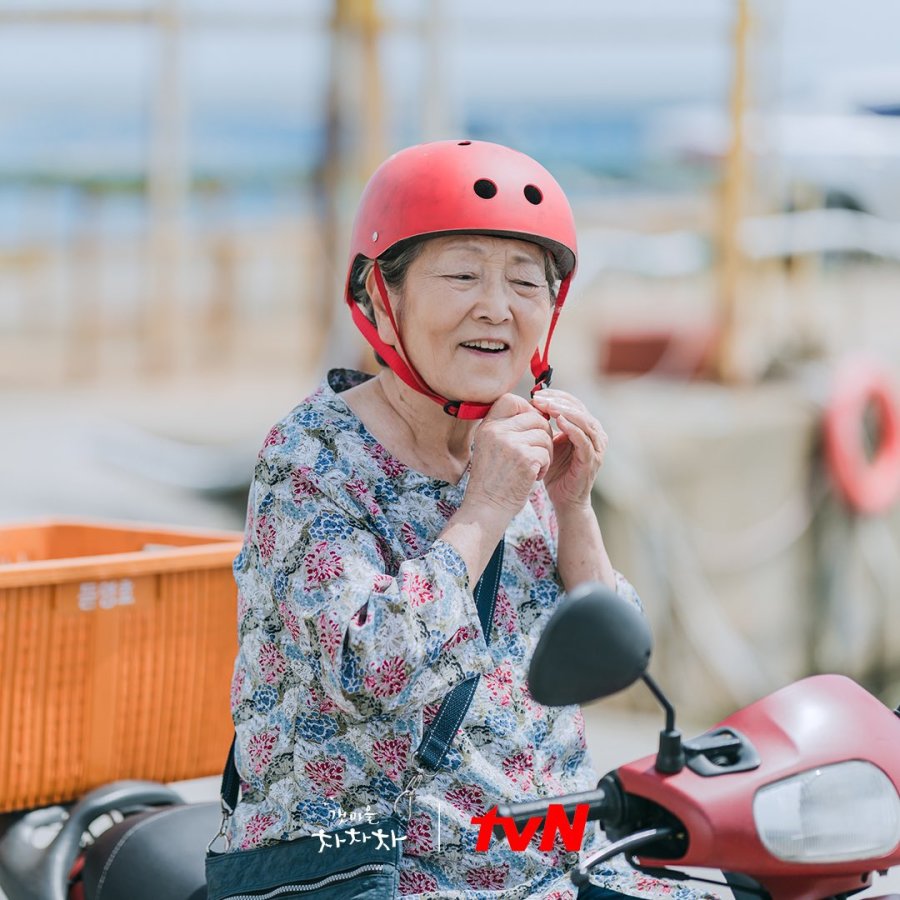
Gam-ri Halmeoni
The heart of Gongjin. Her warmth, wisdom, and unwavering love for Du-sik ground the entire series. Her final letter will leave you wrecked and grateful in equal measure.
And the rest? Just as rich. There’s Pyo Mi-seon, Hye-jin’s hilarious, loyal, and wonderfully chaotic best friend. And her slow-burn, blush-filled romance with Officer Eun-chul? Gold.
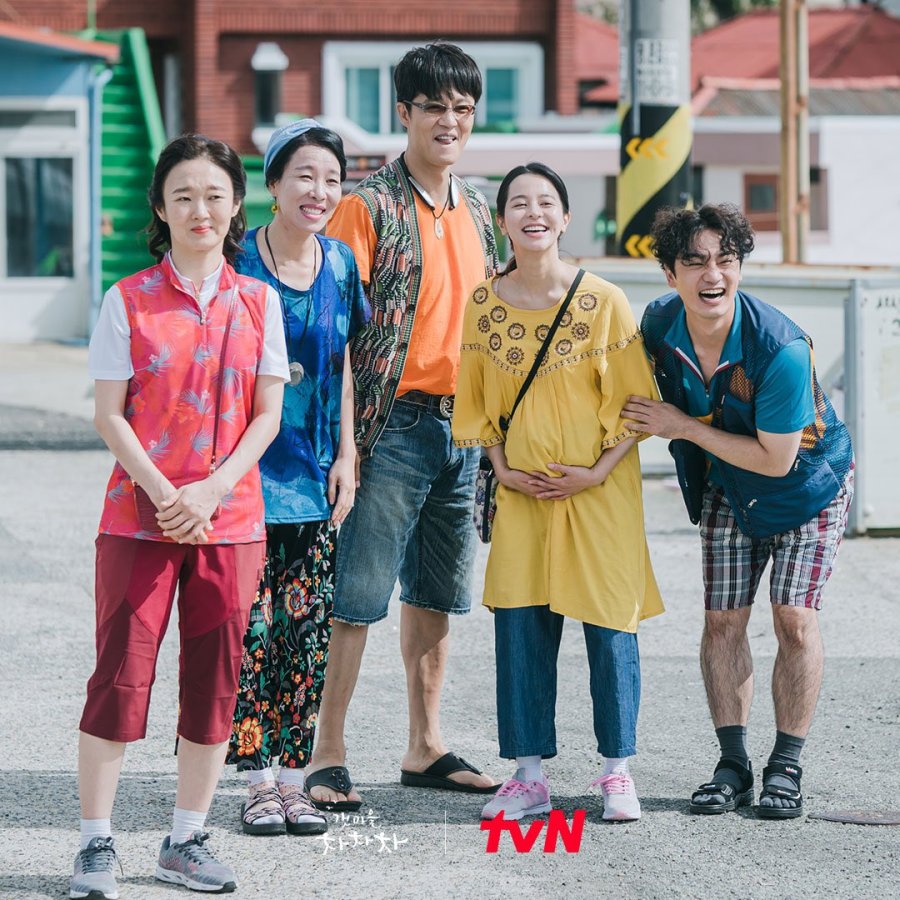
Hwa-jeong and Young-guk, the divorced couple stumbling toward forgiveness. I-jun, their wise-beyond-his-years son who made me cry more than once.
Even Jo Nam-sook, the town gossip whose loudness hides deep loneliness and loss.
Every character gets their moment. Every arc matters.

A Romance That Feels Grown-Up: The Dimple Couple
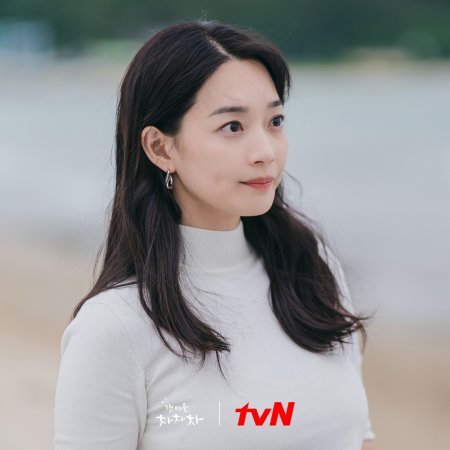
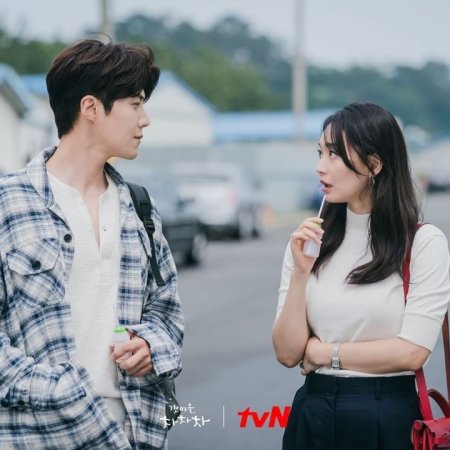
Hye-jin and Du-sik don’t fall in love like a fairytale. They grow into love—awkwardly, tenderly, and with emotional honesty. Their relationship isn’t built on swoony tropes, but on real effort: listening, apologizing, showing up.
They argue. They misunderstand. But they also respect each other’s boundaries. Hye-jin never asks Du-sik to open up before he’s ready. Du-sik never asks her to shrink herself. Their romance is proof that love, at its best, helps you become more of who you already are.
Yes, the chemistry is ridiculous. Shin Min-a and Kim Seon-ho don’t just act—they click. Their banter is sharp, their silences say everything. But it’s the emotional grounding that makes them unforgettable. Theirs is one of the healthiest, most mature relationships in K-drama. And the dimples? Just a bonus.

Friendships That Feel Like Home
From the very first episode, it’s clear that Gongjin isn’t just a place where love blossoms—it’s where people show up for each other, in big and small ways, every single day.
Let’s start with Pyo Mi-seon—the best friend we all wish we had. Loyal, hilarious, and refreshingly real, she’s the kind of friend who moves to a sleepy town with you and supports your dreams without hesitation.
But the friendship magic doesn’t stop there. From the halmeoni trio’s lovingly savage gossip sessions to the quiet coffee breaks at Oh Chun-jae’s café, every relationship pulses with warmth.
Hometown Cha-Cha-Cha reminds us that love doesn’t always look like a kiss in the rain. Sometimes it’s a fruit plate left on your doorstep. It’s knowing when someone needs space—and when they need soup. In Gongjin, even the smallest friendships feel like home—because they are. And in this town, you’re never alone.
The Best Bromance Ever
Du-sik and Seong-hyeon gave us a rare gem: a love triangle without toxic jealousy or petty rivalry. Just mutual respect, quiet support, and genuinely good vibes.
Seong-hyeon wasn’t a bitter second lead—he was kind, funny, and mature, even in rejection.
In a genre that often pits men against each other, their bromance is a refreshing reminder that love doesn’t have to mean rivalry. Sometimes, it means ramen and real talk.
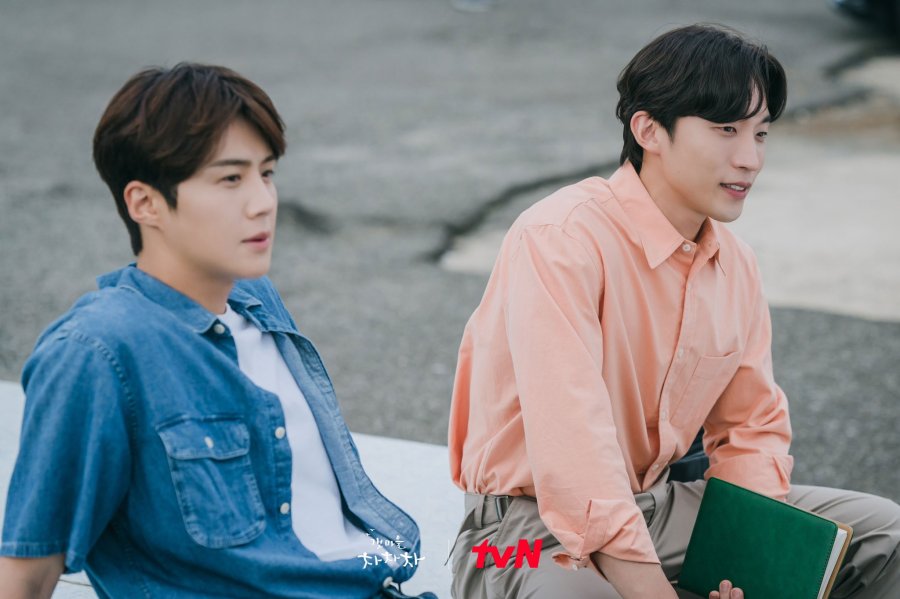
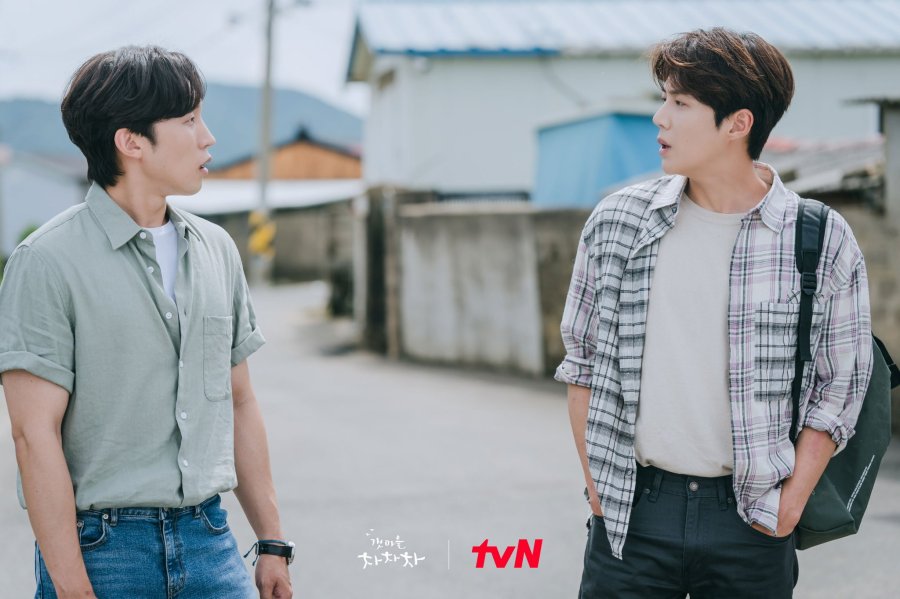
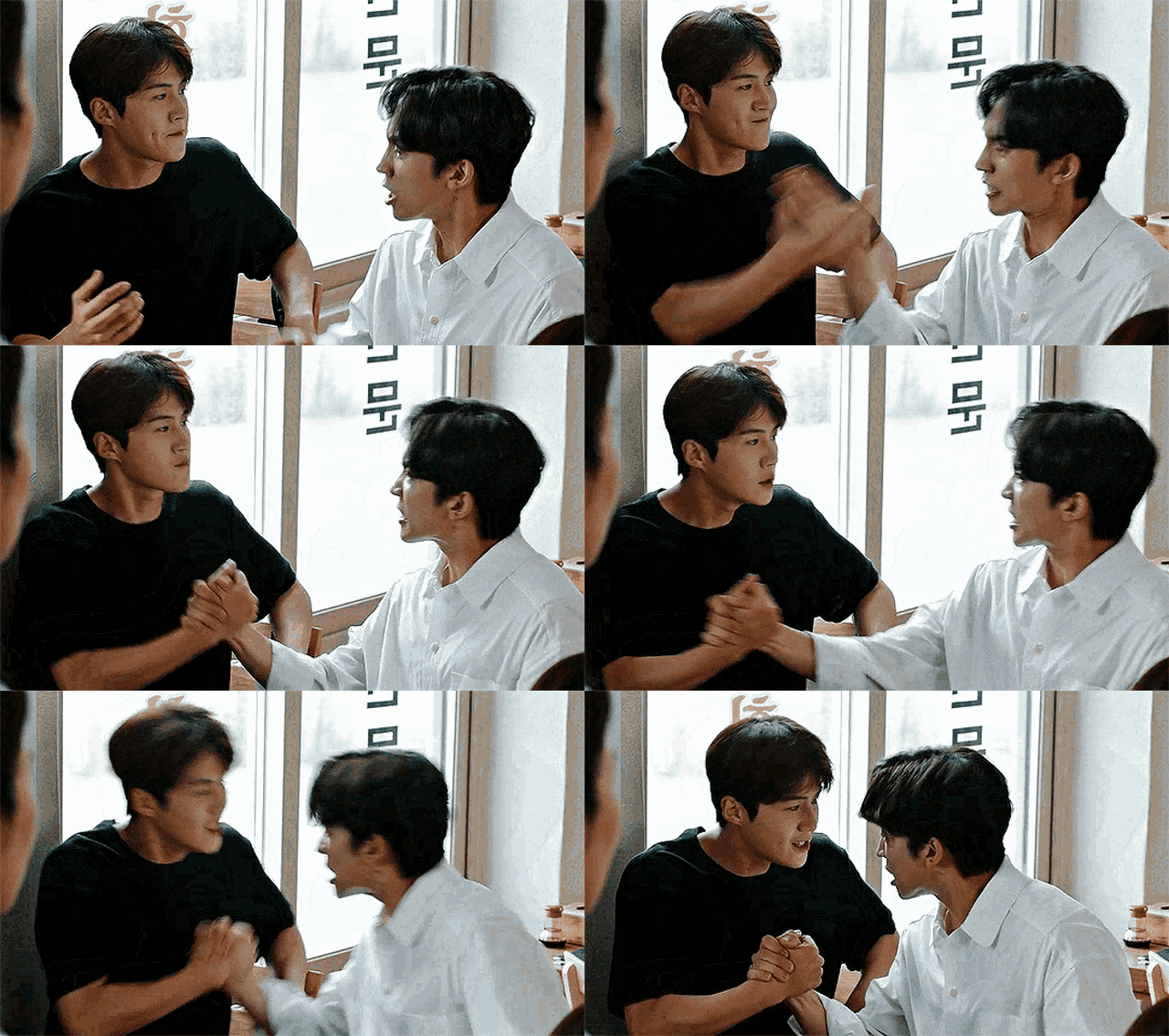
Cinematography & Atmosphere — A Visual Hug from Gongjin

The cinematography is stunning without ever being flashy. Soft blues. Golden hour beaches. Quiet streets, cozy interiors—each scene feels like a page from a memory.
Hometown Cha-Cha-Cha knows how to hold a moment. The visuals don’t distract—they cradle.
Every shot feels intentional but unforced. The color palette mirrors the show’s emotional core: calm, warm, a little wistful. Even the sound design—waves lapping, bike bells, fish market chatter—grounds you in a place that feels lived-in and deeply comforting.
The Music & Mood — A Soft Embrace for the Soul
The soundtrack of Hometown Cha-Cha-Cha doesn’t just accompany the story—it becomes its emotional heartbeat. From the first few notes of the now-iconic “Romantic Sunday,” you’re instantly back in Gongjin. Back to the waves, the dimpled smiles, the quiet confessions. It’s more than music—it’s memory.
Built on light acoustic guitar, soft piano, and airy vocals, the OST flows like a sea breeze—gentle, steady, and deeply comforting.
And yes, don’t be surprised if half the album winds up on your chill playlist.
Standout Moments
- That beachside barefoot walk.
- The microphone incident at the town hall.
- Gam-ri refusing implants because she didn’t want to burden her son.
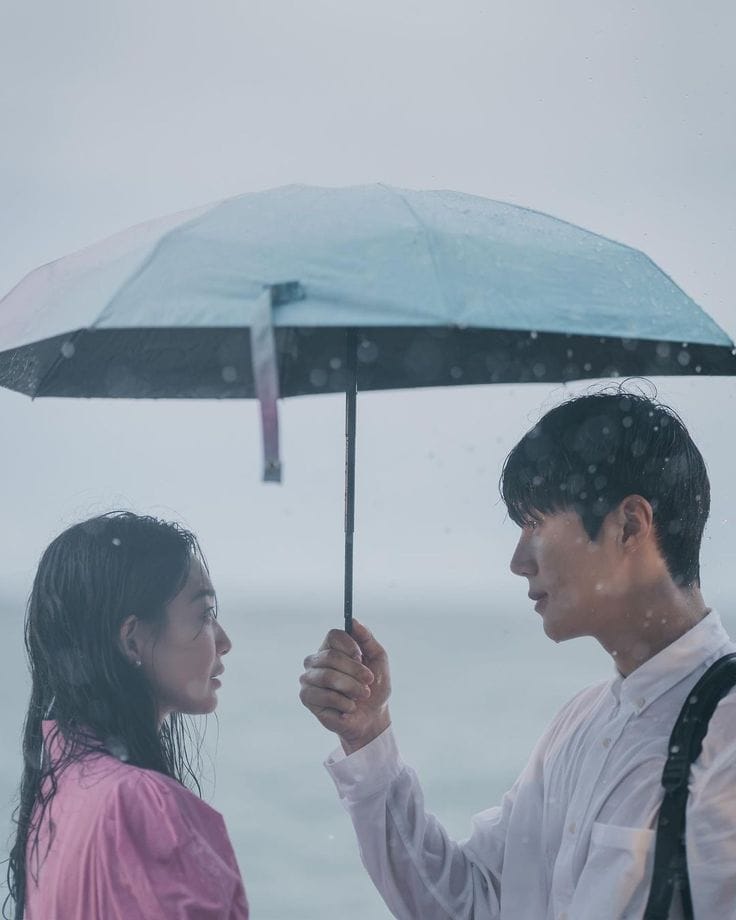
- The rain scene. “Let’s just play.”
- The town talent show. It’s the perfect cocktail of heart and cringe.
- A late-night confession that says more in its pauses than its words.
- Gam-ri’s letter to Du-sik. “You are my son and also my grandson.”


What Didn’t Quite Work
- Mid-series pacing dips—some episodes feel slow or meandering.
- A few emotional scenes verge on overly sentimental or manipulative.
- Some comedy moments lean too cheesy, especially early on.
- Nam-sook’s boundary-crossing behavior becomes frustrating, despite her backstory.
- Certain side plots could’ve used more depth.
- Townspeople’s nosiness occasionally feels intrusive rather than endearing.
But these flaws? They’re surface cracks in an otherwise luminous piece of storytelling. They don’t break the immersion. If anything, they make the show feel more human—imperfect, emotional, messy.
Themes & Emotional Impact — Why It Mattered
Hometown Cha-Cha-Cha offers no quick fixes. Trauma, grief, and healing are all given room to breathe. This is a show that says: “Sometimes, just surviving is enough.”
Core Themes:
- Community: Healing isn’t solitary. It happens over shared meals, through gossip, in awkward town meetings.
- Grief: Handled with tenderness. Never rushed. Not dramatized. Just… honored.
- Forgiveness: Between friends. Families. And within ourselves.
- Love: Not just romantic. Parental, platonic, and unconditional.
- Hope: That it’s never too late. That you’re never too broken. That someone will carry you when you fall. That healing is possible.
The show also breaks quiet ground with how it explores:
- Mental health and the burden of guilt
- Single parenthood and post-divorce healing
- Subtle but meaningful LGBTQ+ representation
- Non-traditional family dynamics
- Women proposing, leading and loving with grace
And perhaps the most beautiful thing? It arrived when we needed it most. Mid-pandemic. Mid-chaos. Hometown Cha-Cha-Cha gave us what we were missing: hope. It brought us back to a version of life that felt lost—one filled with face-to-face conversations, physical closeness, neighborly care, and emotional connection. It painted a world where forgiveness, communication, and community still mattered deeply.
Memorable Quotes from Gongjin
Hometown Cha-Cha-Cha isn’t just a show—it’s a quiet philosophy on life, wrapped in laughter, healing, and heartache. Its dialogue doesn’t scream for attention, but it lingers. These quotes aren’t just lines—they’re reminders of kindness, resilience, and the beauty of ordinary days.
“You don’t always need a grand reason to be kind. Sometimes it’s enough that someone needs it.”
– Du-sik
“Life isn’t a math equation. It has no clear answer. You’re given a problem. It’s up to you how you solve it.”
– Du-sik
“You’re bound to meet unexpected situations. Even with an umbrella, you’ll get wet. Let’s just play.”
– Du-sik, in the rain, reminding us to stop trying to control everything and just be
“Life is not fair. Some people have to walk on unpaved roads their entire life, while some run at full speed only to end up at the edge of a cliff.”
– Du-sik
“If you can’t pick up spilled milk, you should at least apologize for spilling it rather than avoid them.”
– Gongjin’s halmeonis, teaching us that maturity often looks like accountability
“It’s so strange. When I was young, I didn’t care to appreciate the flowers.”
“That’s because we were the flowers back then.”
– A quiet moment between elders, full of reflection
“I’m one of those people who plan every second of their lives… We’re probably as different as penguins that eat krill and polar bears that feed on sea lions. But to hell with all of that—because I like you.”
– Hye-jin, confessing in the most Hye-jin way possible: awkward, brave, and entirely sincere

Final Thoughts: Why I’ll Never Forget It
Hometown Cha-Cha-Cha didn’t change the genre—and it didn’t need to.
This isn’t just a love story. It’s a story about second chances, and about healing in the small, imperfect moments of everyday life. A shared banchan. A soft apology. A silent hug. It reminds us that you don’t need grand gestures to matter—just someone who stays.
Gongjin isn’t just a town—it’s a feeling. And this drama? It’s a love letter to life’s simple joys. In a post-pandemic world, it gave us what we didn’t know we were missing: kindness, connection, and room to breathe.
It didn’t need to shout to be heard. Hometown Cha-Cha-Cha whispered—and somehow said everything.
It’s not flawless. But it’s the kind of show that lingers. The kind you revisit when you’re tired, heartbroken, or simply in need of something gentle.
So goodbye, Chief Hong. Goodbye, Hye-jin. Goodbye, Gam-ri.
Thank you for showing us what love looks like when it’s quiet. When it listens. When it heals.
And yes—the hype is real.
Gongjin is waiting.
Don’t forget to pack your heart.


📌 Recommended if you love: Slice-of-life dramas, rich ensemble casts, and stories that feel like home.

Trailer
Recommendations




Disclaimer: All images are owned by their respective creators. Used here under fair use for review purposes. Credits to tvN and associated promotional partners.