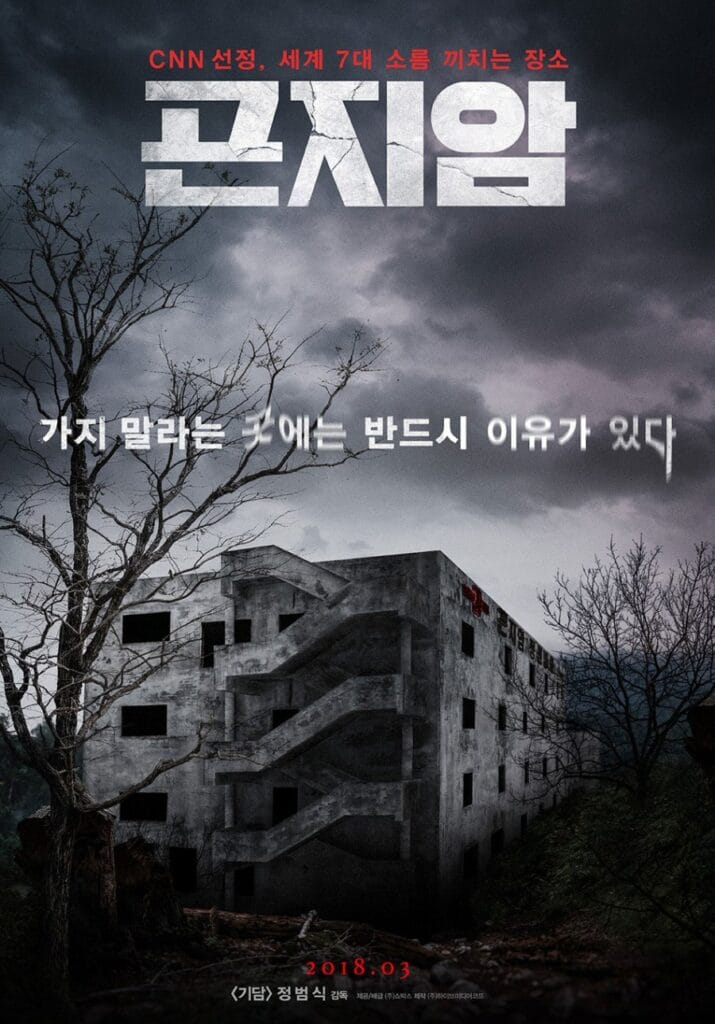
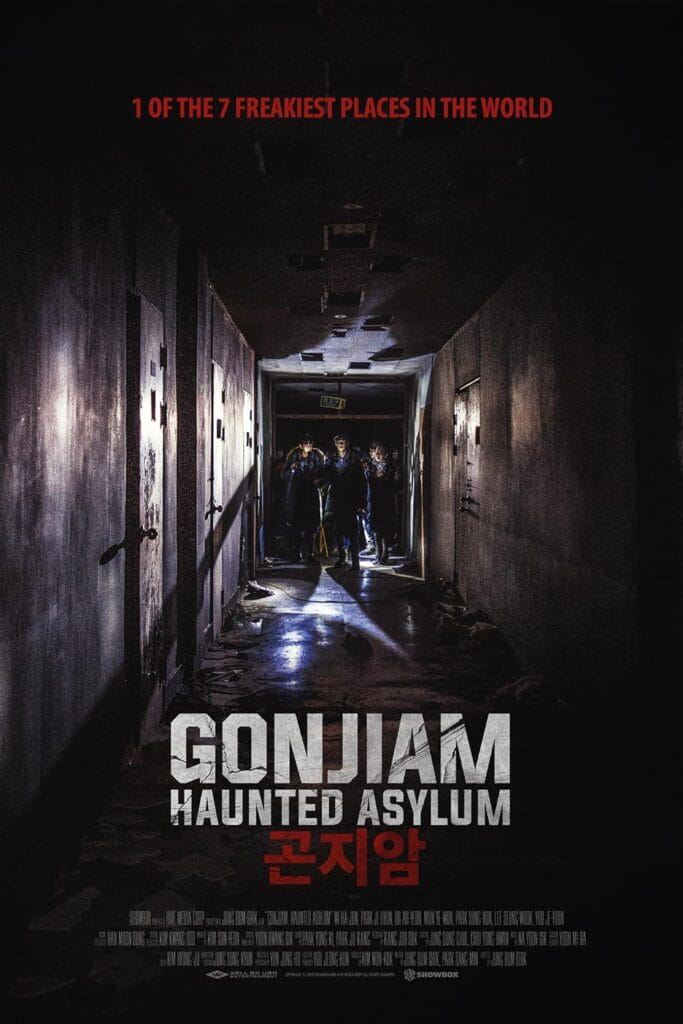
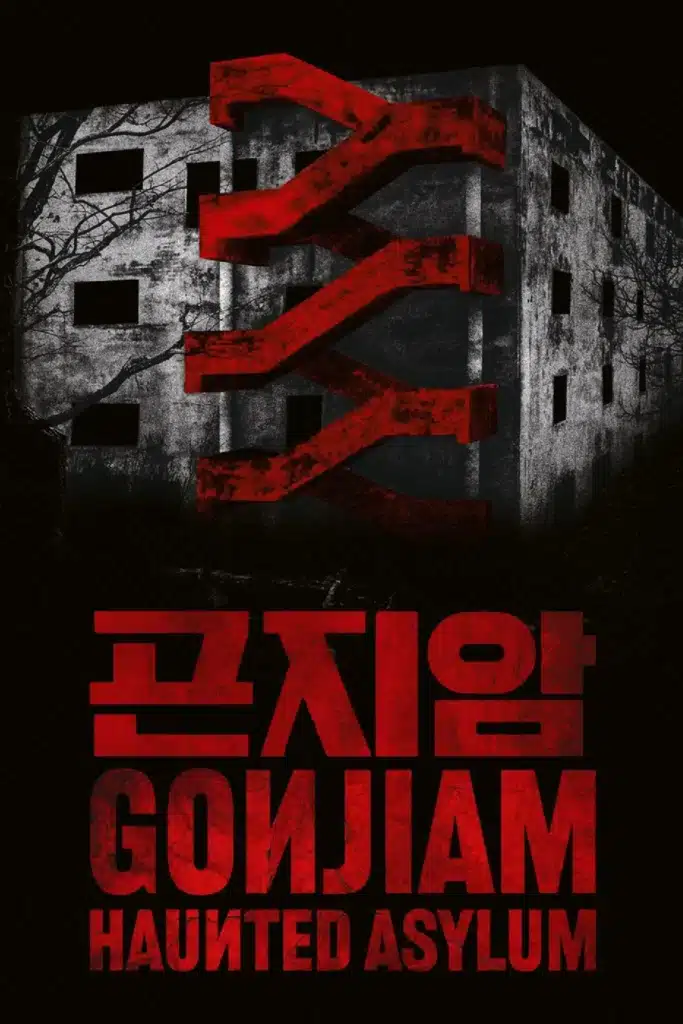
REVIEW: “Gonjiam: Haunted Asylum”—Korean Found Footage Horror Phenomen
Film: Gonjiam: Haunted Asylum
Native Title: 곤지암 (Gonjiam)
Screenwriter & Director: Jung Bum-shik
Screenwriter: Park Sang-min
Release: 2018
Duration: 1 hr. 34 min.
Genre: horror, mystery, thriller, supernatural
Tags: found-footage, mental hospital setting, evil spirit, jump scare, ghost, livestreaming, paranormal investigation, supernatural being, body horror, urban legend, psychological horror
Where to watch:

Cast
Main Role

as Ha-joon

as Sung-hoon
Support Role

as Ah-yun

as Charlotte

as Je-yoon

as Seung-wook

as Hospital Director

Introduction
In 2018, a relatively modest Korean horror film quietly entered cinemas… and unexpectedly exploded into a phenomenon. Gonjiam: Haunted Asylum, directed by Jung Bum-shik, became one of the most talked-about Korean horror films in years. Audiences screamed in theaters, clips flooded the internet, and the film quickly gained a reputation as one of the scariest modern entries in the found-footage genre.
At its core, the premise feels like the ultimate dare: find the most haunted place you can imagine, enter it under the cover of darkness, and head straight toward the one room everyone warns you never to open.
At first glance, the setup seems familiar — a group of young people exploring a supposedly haunted location and filming their experience. Horror fans will immediately recognize echoes of The Blair Witch Project, and the film also invites comparison with Grave Encounters.
But Gonjiam cleverly updates this formula for the modern internet era. Instead of filming a documentary, the characters are live-streaming their investigation for views, subscribers, and advertising revenue.
That single change turns the whole story into something surprisingly contemporary — a ghost story born directly from the culture of online fame, livestreaming, and viral content.
The Premise: Horror as Content
The film follows the team behind the online channel Horror Times, led by YouTuber Ha-Joon. His goal is simple: reach one million viewers during a live broadcast exploring one of South Korea’s most infamous locations — the abandoned Gonjiam Psychiatric Hospital, rumored to be among the most haunted places in the country.
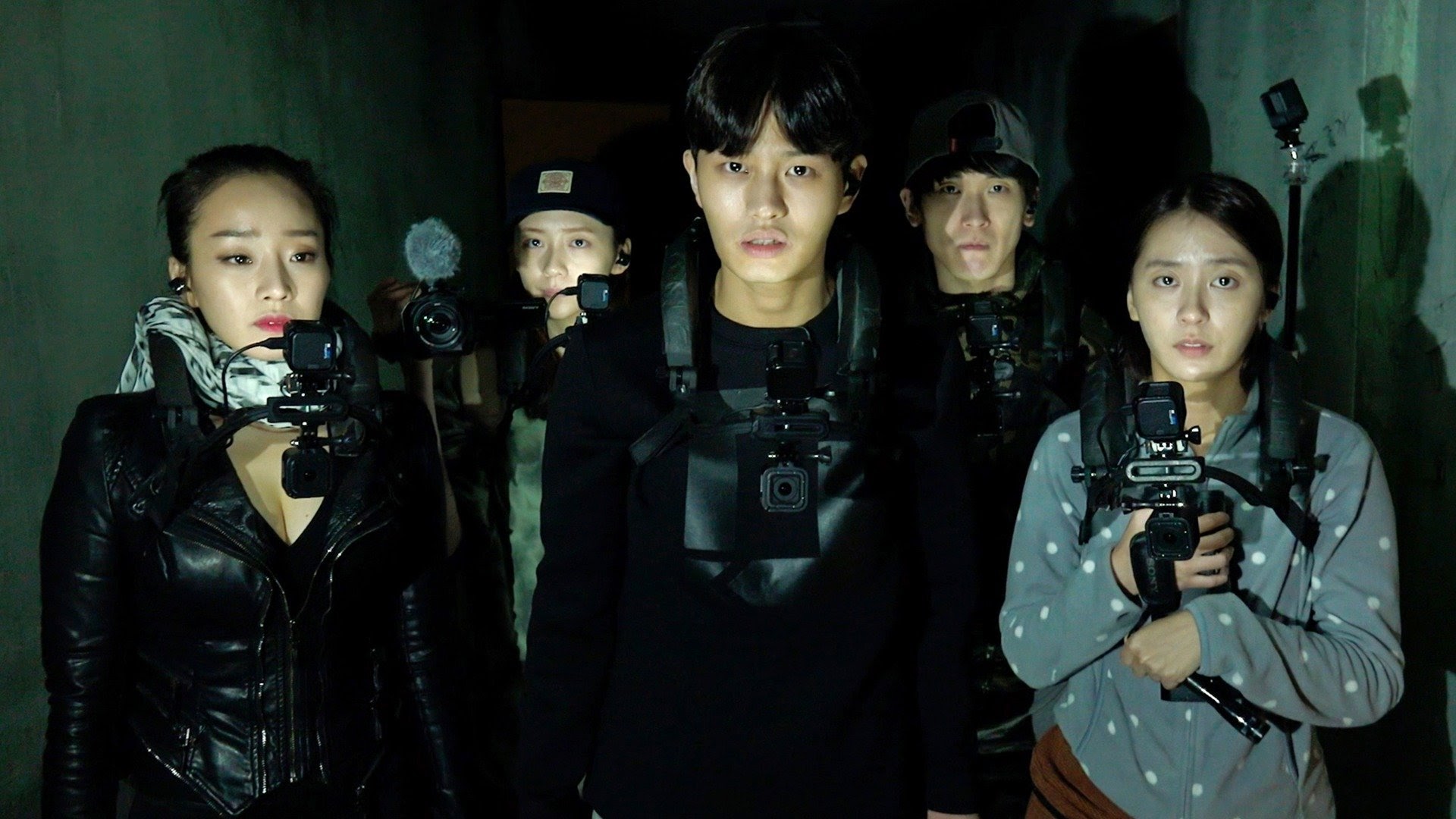
Seven participants enter the building equipped with an impressive set of cameras:
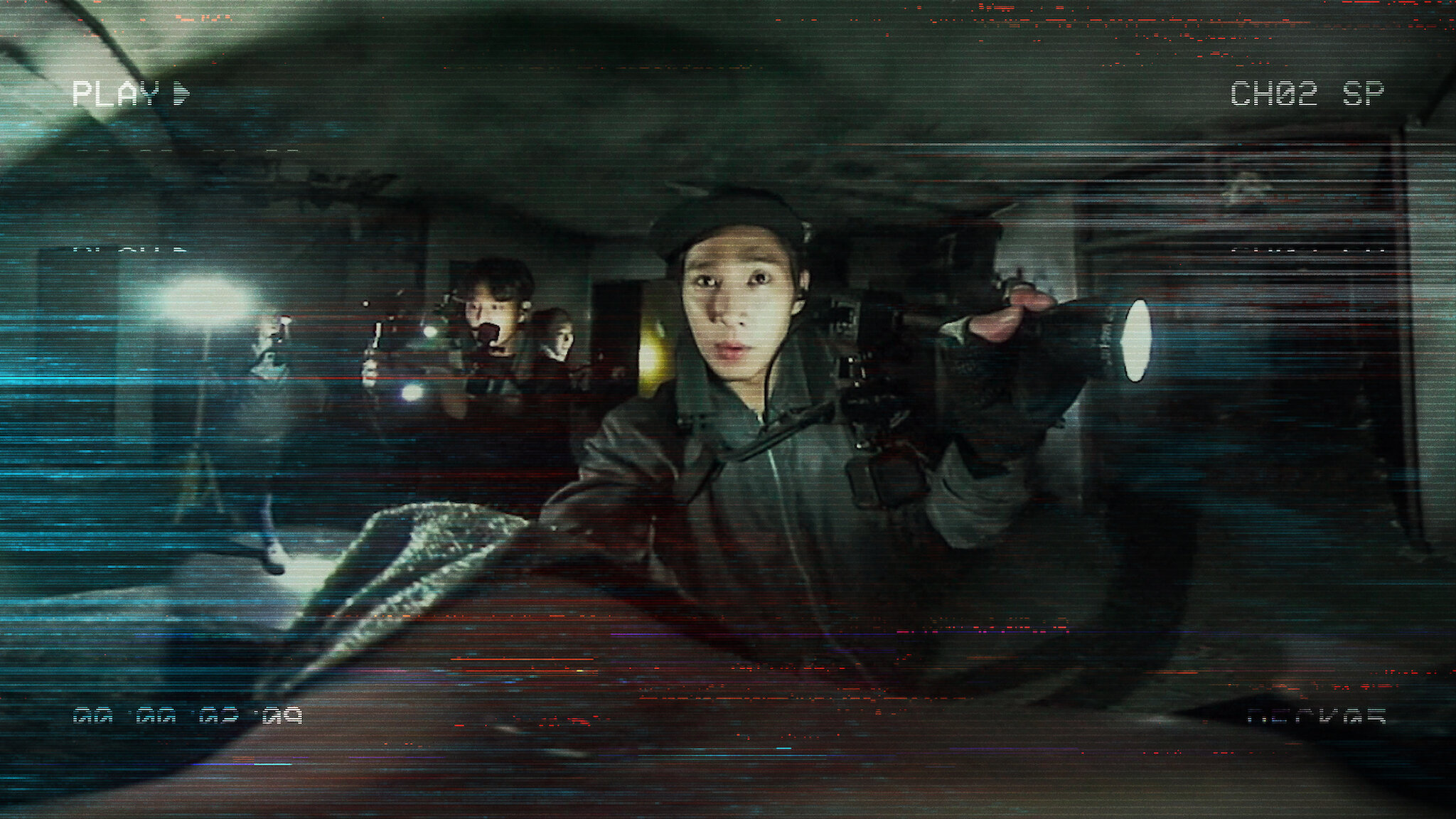
- body-mounted GoPros filming both their faces and POV
- handheld cameras
- static surveillance cameras placed throughout the building
- and a control station outside where Ha-Joon monitors everything
At first, the entire investigation is carefully staged. The team plans fake scares to entertain viewers and boost engagement. Doors slam. Strange noises appear. The audience — both inside and outside the film — is meant to wonder:
Is this real… or just another performance for the stream?
But once the team ventures deeper into the asylum — and especially toward the mysterious Room 402 — the situation spirals beyond anything they planned.


The Real-World Legend Behind Gonjiam
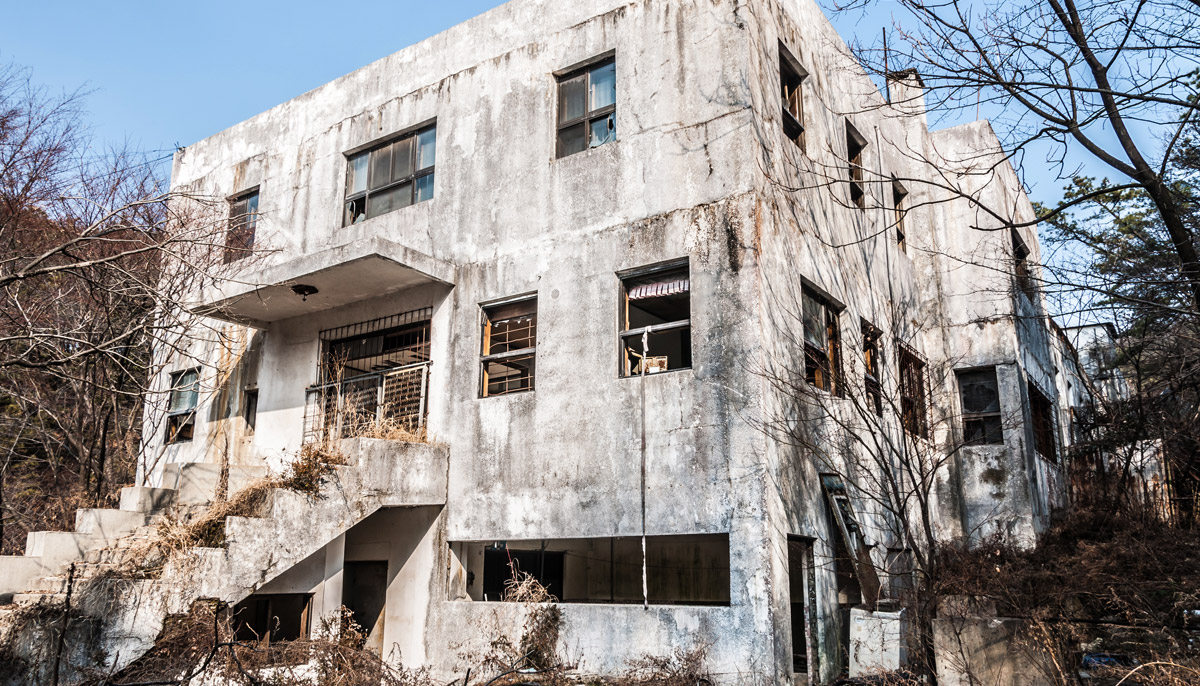
Part of the film’s effectiveness lies in its connection to reality. The real Gonjiam psychiatric hospital gained notoriety after appearing on CNN’s list of the “seven freakiest places in the world.”
Urban legends surrounding the site include stories of:
- mysterious patient deaths
- brutal experimentation
- a director who allegedly murdered patients before committing suicide
- disappearances of thrill-seekers exploring the building
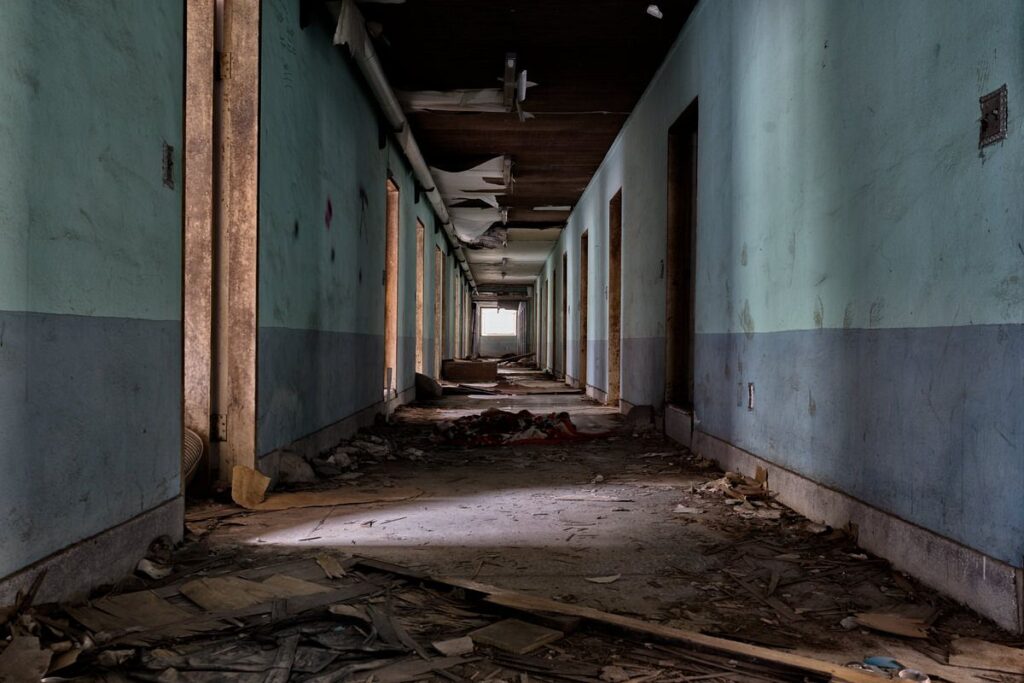
In reality, the hospital closed due to financial problems and poor hygiene, but the myths surrounding it became powerful enough that the location turned into a magnet for ghost hunters and paranormal explorers.
The film skillfully uses this reputation, blending urban legend and fiction so that the story feels almost like something that could genuinely happen.
Interestingly, the film was not actually shot inside the real Gonjiam Asylum. Instead, the production recreated the location inside an abandoned school building, carefully designing the sets to resemble the infamous hospital and its decaying interiors.
Some viewers have pointed out a number of subtle Easter eggs hidden in the film’s background — including possible references to Korean political history and the Sewol Ferry tragedy. Whether intentional or not, these details add another layer for attentive viewers to discover.
The film almost faced legal trouble before it even reached theaters. The owner of the real Gonjiam property filed a lawsuit in an attempt to block its release, claiming the film could negatively affect attempts to sell the building. A Seoul court ultimately ruled in favor of the film.
In an eerie twist of timing, the real Gonjiam Psychiatric Hospital was demolished on May 28, 2018 — just two months after the movie premiered.
Found Footage in the Age of Livestreams
Found-footage horror has existed for decades, but Gonjiam modernizes the format in a clever way.
Instead of pretending the footage was discovered after the fact, the movie unfolds as a live broadcast — with viewers watching events as they happen.
This solves one of the biggest logical problems in the genre:
Why would someone keep filming while terrible things happen?
In Gonjiam, the characters keep filming because:
- the cameras are attached to them
- the show depends on constant footage
- and the stream must continue for the audience
The result is a chaotic collage of perspectives:
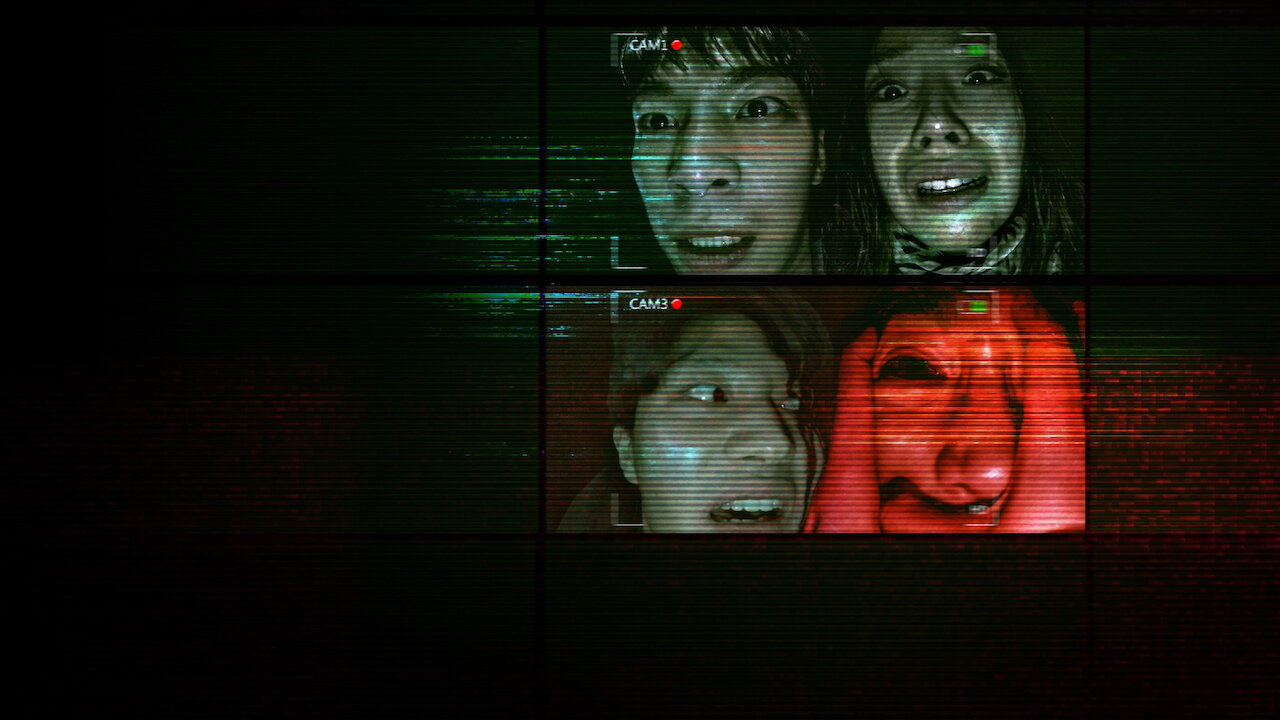
- distorted close-ups of terrified faces
- night-vision shots of empty hallways
- surveillance angles watching from the corners of rooms
- flickering feeds that mimic a failing livestream
The use of face-mounted cameras creates an unsettling intimacy, forcing the audience to watch the characters’ fear unfold from just inches away.
The film constantly switches between these viewpoints, creating an unsettling sense that something might be hiding anywhere in the frame. Your eyes never quite know where to look.

The Characters and Their Dynamics
Like many found-footage films, Gonjiam does not focus heavily on deep character development. The cast largely functions as a group rather than as complex individuals.
However, the film cleverly casts mostly unknown actors, and they even use their real names in the story (including Wi Ha-joon, now widely recognized as police officer Hwang Jun-ho from Squid Game). This decision strengthens the illusion that we are watching real footage rather than scripted performances.
The characters initially appear like typical horror archetypes:
- the confident host chasing internet fame
- the skeptic who doesn’t believe in ghosts
- the nervous participant easily frightened
- the charismatic celebrity guest
But as the situation escalates, their personalities begin to fracture under pressure, and their reactions — panic, hysteria, denial — feel convincingly chaotic.
One of the most interesting dynamics lies with Ha-Joon, the host who remains outside the building monitoring the livestream. From the safety of his tent, he watches his friends descend into chaos while obsessively tracking viewer numbers.
In a strange way, he becomes a symbol of the modern internet economy: someone willing to push others into danger for views, clicks, and monetization.

Atmosphere: The True Strength of the Film
If Gonjiam succeeds anywhere, it is in its atmosphere.
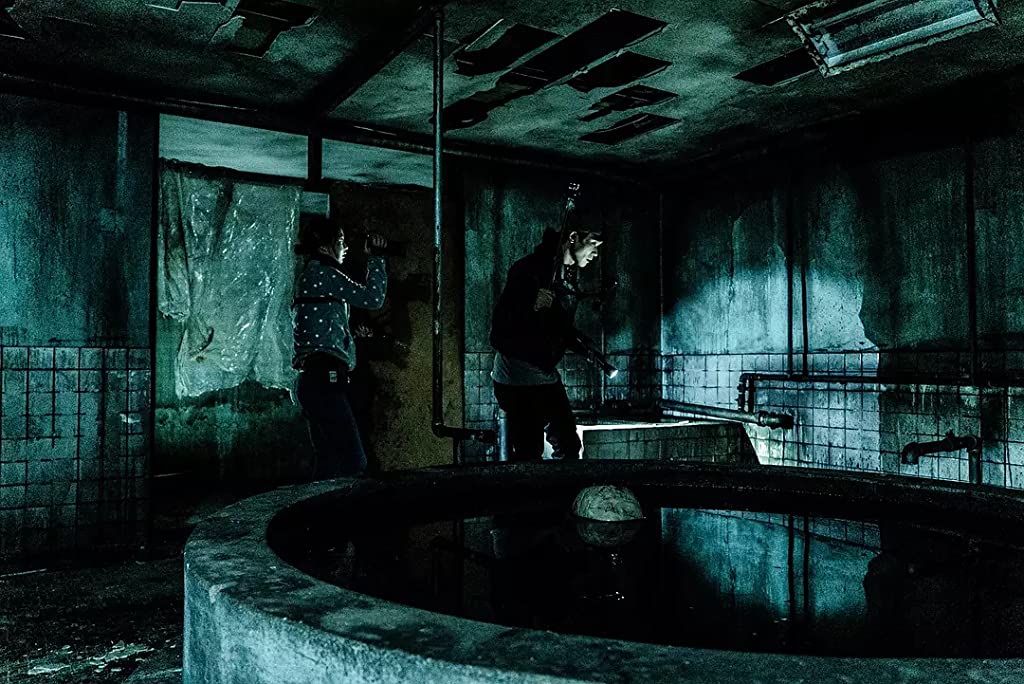
The abandoned hospital itself becomes the film’s greatest asset. The building’s architecture — brutal, decaying, and claustrophobic — creates an environment where every corridor seems endless and every shadow feels like it might be hiding something.
Much of the film’s runtime relies on a simple but powerful strategy:
nothing happens… until suddenly something does.
Long stretches of darkness, quiet footsteps, and distant echoes build a suffocating sense of dread. The viewer knows something will eventually appear — but the film deliberately refuses to reveal when. This anticipation becomes the real source of terror.
As the story progresses, Room 402 begins to feel less like a simple location and more like the supernatural core of the asylum — a place where the normal rules of space and reality quietly begin to break down. The deeper the characters venture into the building, the more the environment itself starts to feel unstable and hostile.
Rather than relying solely on cheap jump scares, the film creates fear through atmosphere and subtle unease — distorted whispers, eerie silences, vague shapes lurking in the darkness, and apparitions that move in unsettling, unnatural ways, with strange posture and disturbing vocalizations that push several scenes into deeply unsettling territory.
The Power of the Final Act
Nearly every review of the film agrees on one thing:
the last 20–30 minutes are where Gonjiam truly shines.
The film’s slow first half patiently builds tension, but once the paranormal events begin, the story rapidly descends into a nightmarish sequence of escalating terror.
Several scenes have become particularly famous among horror fans, including:
- Charlotte’s encounter in the laboratory
- the increasingly chaotic camera feeds
- the horrifying possession sequence
- and the terrifying events inside Room 402
One moment in particular — when a possessed character begins whispering strange, distorted sounds — has become one of the film’s most iconic horror images.
Interestingly, the scene works not only because of its unsettling visual design, but also because of the way the human brain instinctively reacts to that unnatural whisper. By the time it arrives, the film has spent so long building tension that the audience is already on edge, amplifying the impact of the moment even further.
Where the Film Struggles
Despite its strengths, Gonjiam is far from perfect.
The most common criticism is its slow opening act. Nearly half of the film is spent introducing the characters and preparing the livestream, which some viewers may find unnecessarily long.
The story also offers very little explanation for the haunting itself. The asylum’s backstory is hinted at but never fully explored. While this ambiguity can enhance mystery, it may also leave some viewers wanting more narrative depth.
Finally, the film does not introduce many new ideas to the genre. The core premise — a group exploring a haunted building — remains extremely familiar.
However, what the film lacks in originality, it often makes up for in execution.
Why the Film Works Anyway
Ultimately, Gonjiam: Haunted Asylum understands something many modern horror films forget:
Sometimes horror doesn’t need deep mythology or elaborate storytelling. Sometimes it simply needs to scare you.
Director Jung Bum-shik focuses almost entirely on delivering a terrifying experience — and for many viewers, the film succeeds spectacularly.
The combination of:
- immersive found-footage camerawork
- a genuinely unsettling location
- strong performances
- and a relentless final act
creates a film that feels less like watching a horror movie and more like being trapped inside one.
Impact and Reception
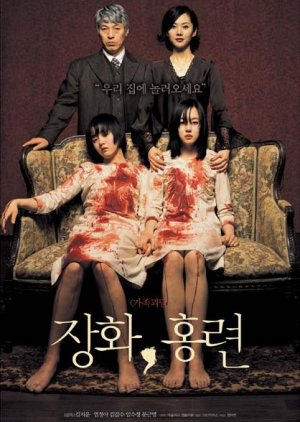
The film’s success was not limited to online buzz. In South Korea, Gonjiam: Haunted Asylum became the third most-watched horror film in the country’s history, following A Tale of Two Sisters (2003) and Phone (2002). Within weeks of its March 2018 release, it attracted more than two million viewers.
Made on a relatively modest budget, the film went on to earn over twenty million dollars at the Korean box office, turning it into one of the most profitable Korean horror films of recent years and cementing its reputation as a breakout hit within the genre.

Final Verdict
Gonjiam: Haunted Asylum may not reinvent the found-footage genre, but it proves that the formula can still work brilliantly when handled with skill and atmosphere.
Personally, I have to admit that this film got under my skin more than I expected. There were a few moments where I genuinely had to cover my eyes — and that rarely happens to me.
I’m not a huge fan of jump scares, and the setting certainly didn’t help either. If there is one location that instantly makes a horror film more unsettling for me, it’s an abandoned psychiatric asylum.
This isn’t a film you watch for complex storytelling or profound themes. Instead, it’s the kind of horror you watch late at night, with headphones on and the lights off — while slowly becoming aware of that uncomfortable feeling that something might be watching you back from the darkness beyond the screen.
And if a horror film can make you hesitate before turning off the lights afterward, it has already done its job.

Trailer
Recommendations
Disclaimer: All images are owned by their respective creators. Used here under fair use for review purposes.