REVIEW: “Architecture 101″—A Story of First Love and Regret
Film: Architecture 101
Native Title: 건축학개론 (Geonchukhak Gaeron)
Also Known As: An Introduction to Architecture
Screenwriter & Director: Lee Yong-joo
Release: 2012
Duration: 118 min.
Tags: first love, student, school, university, youth, reunion, flashback, architect
Where to watch:


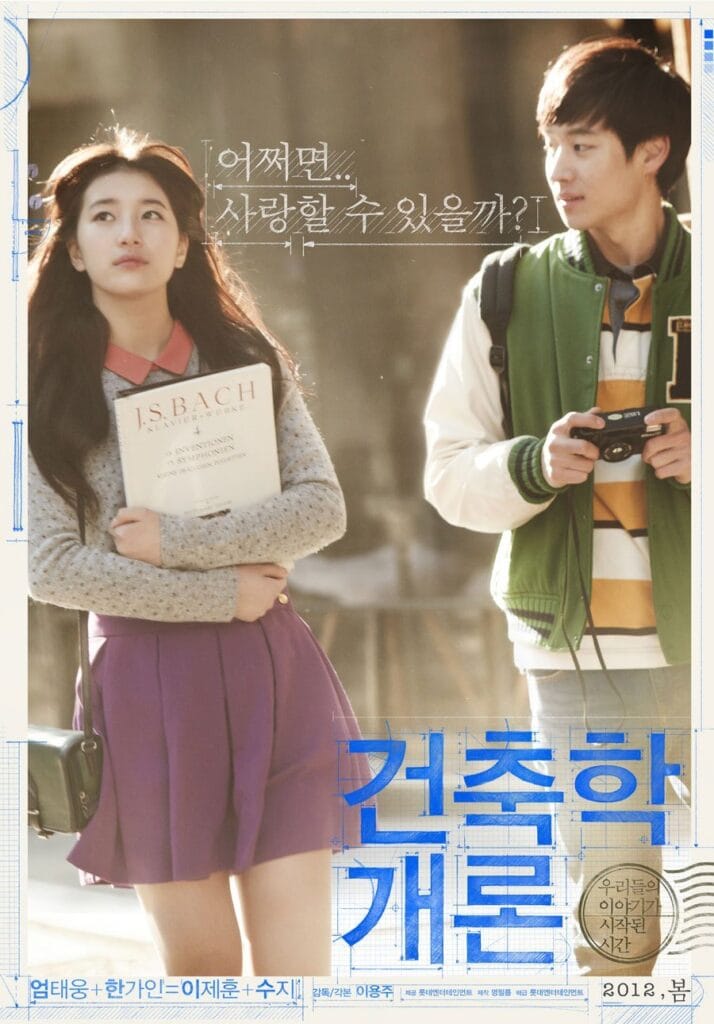

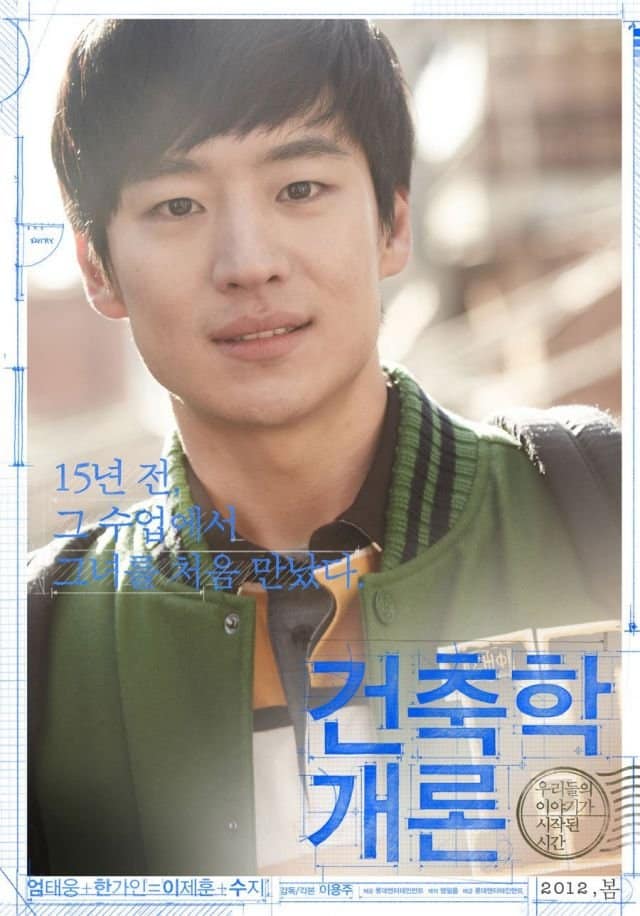
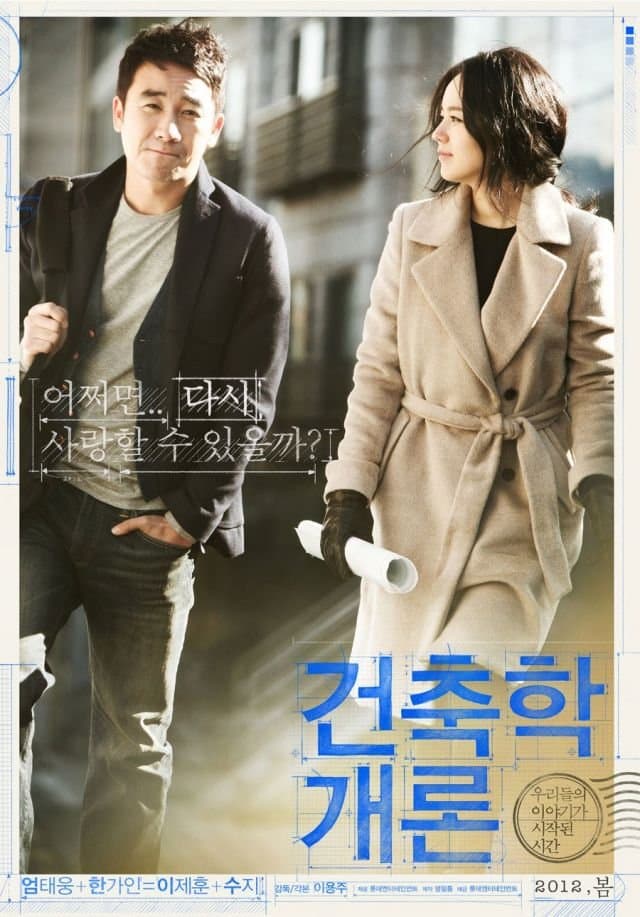

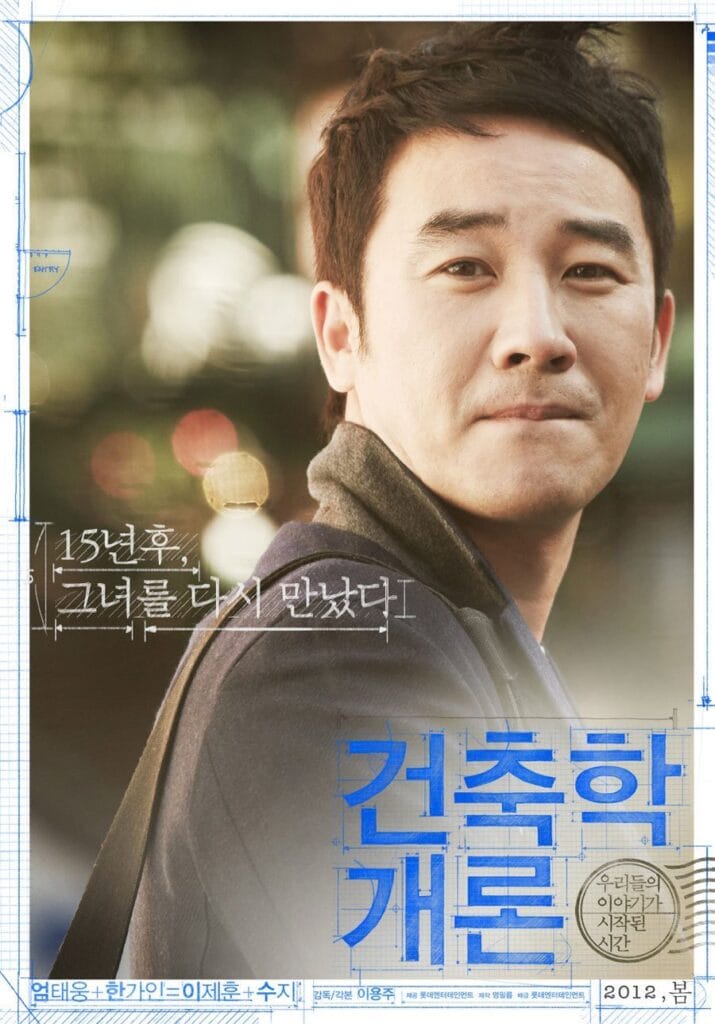
Cast
Main Role

Uhm Tae-woong as Lee Seung-min

Han Ga-in as Yang Seo-yeon

Lee Je-hoon as Lee Seung-min [Young]

Bae Suzy as Yang Seo-yeon [Young]
Support Role



A Nostalgic Journey Through First Love and Memory
Introduction
Architecture 101 is an intelligent and emotionally resonant South Korean romance film directed by Lee Yong-ju. At first glance, it may seem like a typical love story—one of youth, separation, and unexpected reunion. However, beneath its seemingly simple plot lies a beautifully layered narrative that captures the essence of first love, the passage of time, and the emotional weight of missed opportunities.
It was mainly thanks to tender films like this one that I fell in love with Korean cinema. Unlike many Western love stories that focus on passionate romance and grand gestures, Architecture 101 portrays first love innocently, yet fatefully and uniquely, making it all the more touching and memorable.



Plot Summary
The film alternates between past and present, following Seung-min and Seo-yeon, two college students who meet in an Architecture 101 class. Young Seung-min (played by Lee Je-hoon) is a shy and reserved architecture student who falls for the charming and free-spirited music major Seo-yeon (played by Bae Suzy). Their bond grows as they explore Seoul together, sharing quiet moments filled with innocence, longing, and unspoken emotions. However, a misunderstanding causes them to drift apart, leaving their relationship unfinished.
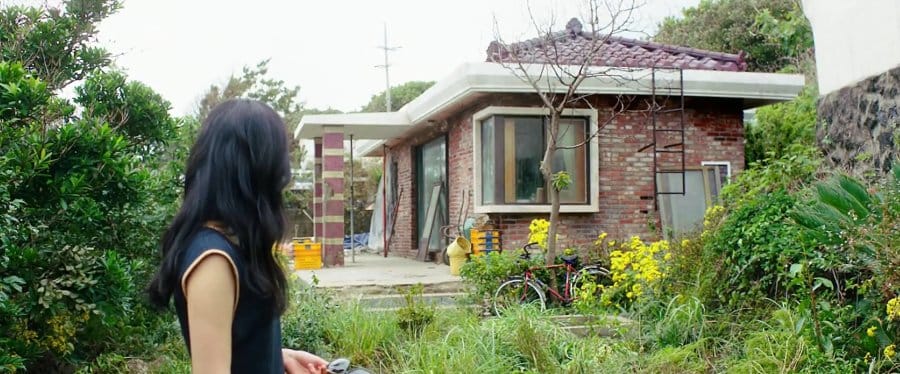
Fifteen years later, Seung-min (now played by Uhm Tae-woong) is a successful architect when Seo-yeon (Han Ga-in) unexpectedly reappears in his life, requesting him to redesign her childhood home in Jeju Island. As they work together, buried emotions resurface, and both must confront their unresolved past while acknowledging how time has shaped them.


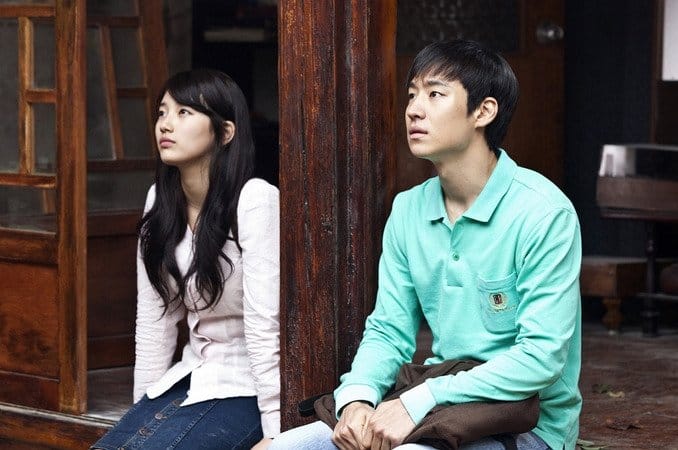

A Story of First Love and the Passage of Time
While Architecture 101 follows a familiar premise, it transcends typical romance tropes by focusing on subtle emotions rather than dramatic conflicts. The film does not dwell on passionate declarations of love but instead highlights the silent, lingering emotions between the characters—the things left unsaid, the regrets that weigh heavily on their hearts.
One of the most striking aspects of the film is how it captures the universal experience of first love—its innocence, its fleeting nature, and its impact on our lives long after it has ended. The narrative gently reminds us that first love, no matter how brief, often holds a special place in our hearts, shaping our future relationships and perspectives on love itself.
I was absolutely captivated by how the most important thing the protagonists needed to discuss after years was never actually said—giving the film a beautifully bittersweet and lingering aftertaste. This quiet, restrained storytelling makes the film feel incredibly authentic, allowing viewers to fill in the emotional gaps with their own memories and experiences.
Performances and Chemistry
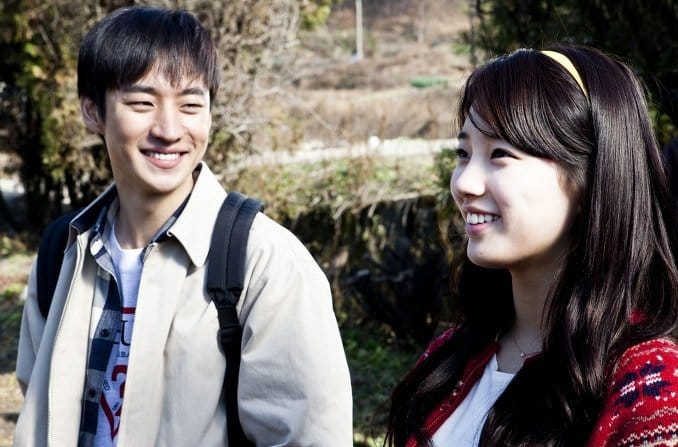
The film’s casting is one of its strongest assets. Lee Je-hoon and Bae Suzy excel as the younger versions of Seung-min and Seo-yeon, embodying the nervous excitement and hesitation of youthful romance. Their performances are filled with subtle gestures and quiet glances that speak volumes, making their love story feel deeply relatable.
In contrast, Uhm Tae-woong and Han Ga-in bring a sense of maturity and quiet sorrow to their characters. They portray adults who have moved forward in life yet remain haunted by their past emotions. The contrast between their younger and older selves highlights the weight of time, change, and lost possibilities.


The Role of Nabddeuki – A Scene-Stealing Supporting Character
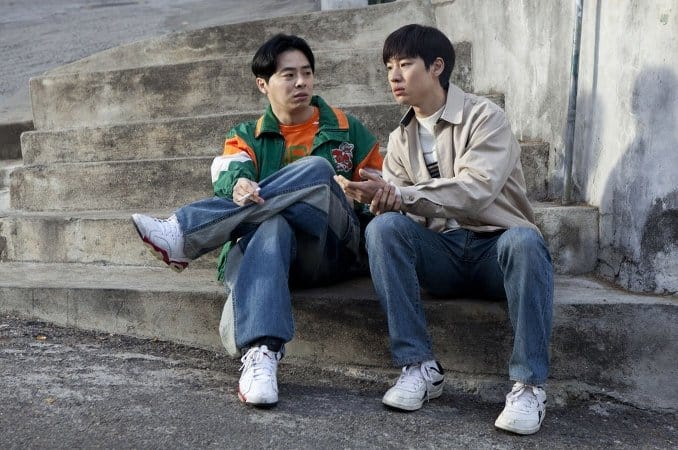
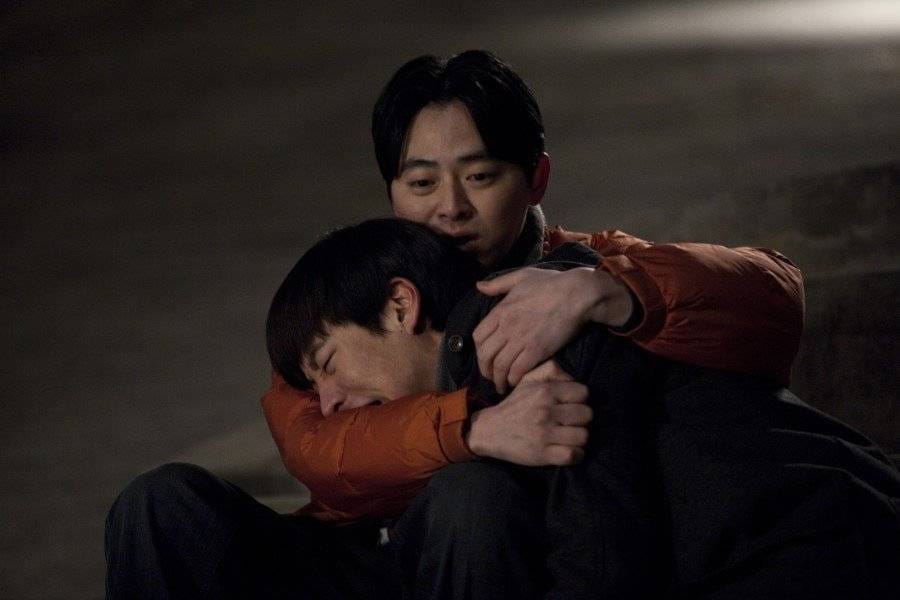
A highlight of Architecture 101 is the character Nabddeuki, played by Jo Jung-suk. As Seung-min’s best friend, Nabddeuki embodies the youthful exuberance of that generation, providing comic relief and a deeper connection to the time period. His presence adds warmth and humor to the story, making the film more engaging and relatable.
One of the most memorable moments in the film is his advice on how to kiss, delivered with comedic flair and exaggerated confidence. This scene has since become iconic, often referenced in Korean variety shows and pop culture. His role perfectly captures the dynamic of college friendships, where friends serve as both mentors and mischievous troublemakers.
Jo Jung-suk’s performance was widely acclaimed, marking a significant milestone in his acting career. He brought a natural charm and energy to the film, making Nabddeuki one of the most beloved supporting characters in Korean cinema.

A Perfect Time Capsule of 1990s South Korea
A significant part of the film’s emotional depth comes from its authentic portrayal of 1990s South Korea, which is filled with small but meaningful details that evoke nostalgia, particularly for those who experienced their youth in that era.
- The film beautifully captures the fashion trends of the time, including baggy clothing and the simple but iconic styles of 90s Korean youth.
- Portable CD players, pagers, and beepers play a significant role in the characters’ daily lives, serving as symbols of youthful communication and connection before the smartphone era.
- A particularly relatable moment is the excitement of owning a 1GB hard drive, which, at the time, seemed impossible to ever fully use. The film humorously reminds us of a time when early computer technology felt limitless but was, in reality, quite limited.
- The scenes of Seoul in the 90s reflect a city still in transition, offering a nostalgic backdrop to Seung-min and Seo-yeon’s blossoming love.
These cultural references do more than just create nostalgia; they enrich the storytelling by emphasizing the contrast between past and present, showing how technology, fashion, and lifestyles change while emotions remain timeless.
The Role of “Etude of Memory” (기억의 습작)
One of the most unforgettable aspects of Architecture 101 is its soundtrack, which plays a crucial role in enhancing the film’s melancholic and nostalgic atmosphere. The standout piece, “Etude of Memory” (기억의 습작) by Kim Dong-ryul, is deeply woven into the emotional fabric of the movie, reinforcing its themes of lost love, longing, and reminiscence.
- Originally released in the 1990s as part of the group Exhibition (전람회), the song was already a classic in Korea, but its inclusion in Architecture 101 revived its popularity among a new generation of listeners.
- Its gentle piano melody and nostalgic lyrics perfectly encapsulate the film’s themes of lost love, nostalgia, and longing.
- The moment when Seo-yeon listens to “Etude of Memory” on her CD player is one of the film’s most poignant scenes, symbolizing how music, like love, can transport us back in time.
For those who have ever reminisced about a love from the past, “Etude of Memory” is more than just a song—it is a feeling. 🎵
Symbolism and Cinematic Beauty
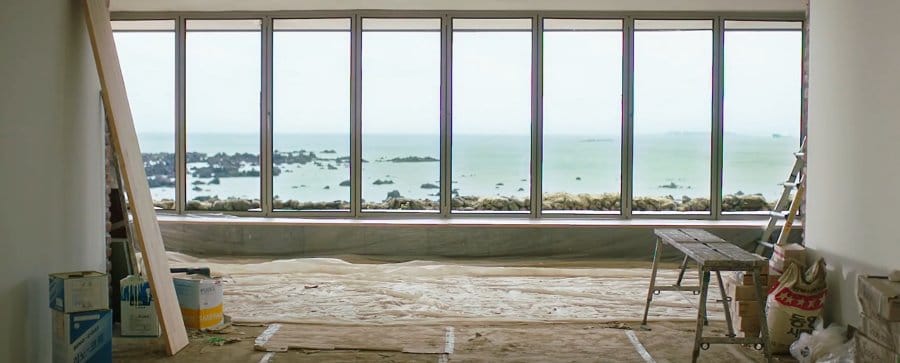
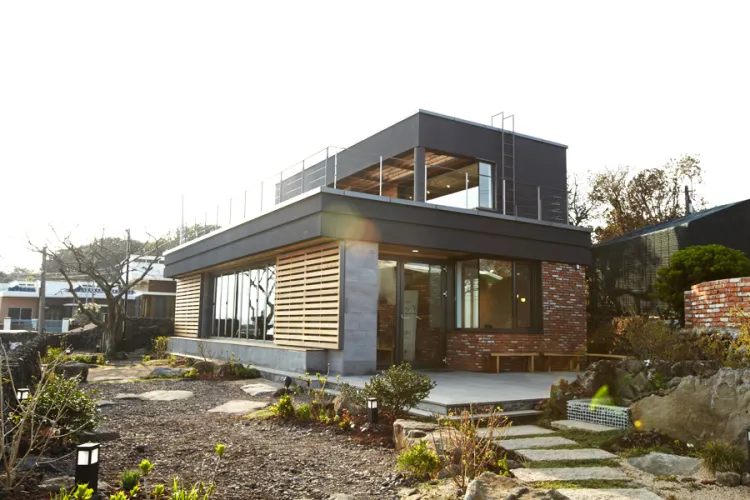
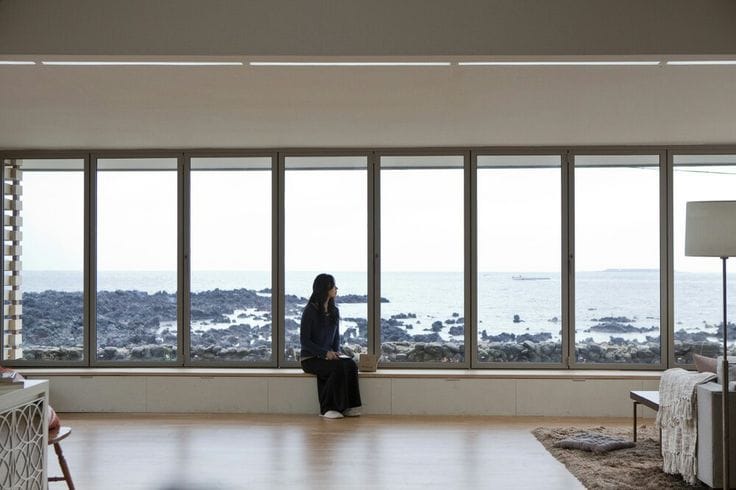
Beyond its love story, Architecture 101 is visually stunning. The symbolism of architecture plays a crucial role in the storytelling, serving as a metaphor for relationships. Just as a house is built from the ground up, love requires a solid foundation. The renovation of Seo-yeon’s childhood home represents an attempt to reconstruct the past, but the film ultimately suggests that some things, once broken, can never be rebuilt in the same way.
The Jeju Island setting further enhances the film’s emotional depth, offering breathtaking landscapes that contrast the characters’ internal conflicts. Director Lee Yong-ju, who has a background in architecture, masterfully uses space and design to reflect the characters’ emotions.
Cultural Context: Why Some Viewers May Misunderstand the Film
For foreign audiences, certain aspects of Architecture 101 may seem unusual or difficult to interpret without an understanding of Korean social and cultural nuances.
- Regional and Socioeconomic Divides in Korea
The film subtly reflects Korea’s regional and class divides, particularly the north-south socioeconomic disparity in Seoul and the province-complex many non-Seoul natives experience.- Seo-yeon, a girl from Jeju Island, feels like an outsider among her classmates, who often judge her provincial background.
- She admires a wealthy senior, as financial success and stability are often idealized in Korean society.
- She deliberately moves into a lower-floor apartment in a prestigious neighborhood, possibly to appear more affluent.
- The Misunderstanding Between Seung-min and Seo-yeon
A key misunderstanding in the film arises from Seung-min’s perception of Seo-yeon’s actions.- In the 1990s, there was a strict law penalizing marriage scams, where women could take legal action against wealthy men under false pretexts of engagement.
- Seung-min, unfamiliar with the truth, misinterprets Seo-yeon’s actions as opportunistic rather than a sign of her insecurities and struggles.
- Why Seung-min’s Actions Frustrate Some Viewers
Unlike Western romance films, where male protagonists often take bold, decisive actions, Seung-min is passive and hesitant—a trait common in Korean youth romance narratives.- His shyness and lack of confidence prevent him from confessing his feelings.
- His reaction to a romantic rival is not one of competition, but quiet retreat, which may frustrate Western audiences used to more assertive heroes.
- This passivity, however, is an authentic portrayal of Korean youth at the time, where indirect communication and emotional restraint were culturally ingrained.
- Korean Romance vs. Western Romance
- Western love stories often emphasize struggle and active pursuit of love.
- Korean romances, especially ones like Architecture 101, lean into regret and nostalgia, reflecting on how love is sometimes left unfinished rather than fought for.
- The film does not frame Seung-min and Seo-yeon’s love as fated or destined, but rather as something beautiful that couldn’t withstand reality—a sentiment that resonates deeply in Asian romantic storytelling.
Understanding these cultural elements helps contextualize the film’s themes and explains why some non-Korean audiences may misinterpret its emotional depth as passivity or unresolved tension.
A Gentle Yet Bittersweet Ending
The ending of Architecture 101 felt like a gentle touch, even though I expected it to be different. Instead of a grand resolution, the film closes with a quiet acknowledgment of what was and what can never be again.
Seo-yeon listening to the CD player, lost in memories, is a subtle but deeply moving conclusion. It is not about closure in the traditional sense but rather about acceptance—an understanding that while some loves do not last, their impact is eternal.
Unlike many romance films that offer clear resolutions, Architecture 101 embraces ambiguity and quiet realism, leaving viewers with a lingering sense of nostalgia and acceptance.

Critical and Audience Reception of Architecture 101
Architecture 101 was both a commercial and critical success upon its release in 2012, resonating deeply with audiences for its realistic portrayal of first love and emotional depth. The film was praised for its subtle storytelling, strong performances, and stunning cinematography, particularly its use of architecture as a metaphor for love and memory.
The film was a box office hit, opening at No. 1 in South Korea and surpassing 4.1 million admissions, making it the highest-grossing Korean melodrama of its time. Its unexpected popularity highlighted the audience’s strong interest in nostalgic, introspective romance films.1
Critics commended director Lee Yong-ju for his restrained approach to romance, favoring emotional depth over melodrama. The film was widely recognized for avoiding clichés, instead delivering a genuine, bittersweet love story that felt deeply relatable. Architecture 101 set a new standard for romance films in Korean cinema, proving that even the quietest love stories can leave the most lasting impact.
Why This Film Stands Out
✔ Subtle and Realistic Storytelling – Rather than relying on melodrama, the film explores emotions through restrained performances, silences, and meaningful flashbacks.
✔ Outstanding Performances – The cast delivers heartfelt portrayals that capture both youthful innocence and the weight of time.
✔ Architecture as a Metaphor – The use of home-building as a symbol for love, memory, and transformation adds depth to the narrative.
✔ Nostalgic and Beautiful Cinematography – The film beautifully captures the contrast between past and present, making its themes even more poignant.
Weaknesses
✖ Pacing Issues – The film occasionally lingers too long on certain scenes, which may test the patience of viewers looking for a faster-paced romance. Some viewers may find the shifts between past and present repetitive.
✖ Lack of Closure – The ending leaves some questions unanswered, which might frustrate viewers looking for a more definitive resolution. However, this ambiguity also adds to the realism of the story, as not all first loves have a neat conclusion.
Final Verdict
Architecture 101 is not just a romance film; it is a meditation on time, love, and memory. It reminds us that while first love may not always last, it leaves an imprint that stays with us forever. With its gorgeous cinematography, sincere performances, and poignant storytelling, the film is a deeply moving experience that lingers long after the credits roll.
I believe this is one of those rare movies you watch again and again all the while telling other people “you must see this movie”. WATCH IT, FALL IN LOVE, GET HURT AND CRY…I DID.
📌 Recommended for: Fans of bittersweet, nostalgic romance films, those who appreciate subtle, emotionally rich storytelling, and anyone who appreciates a well-crafted film about love, memory, and what it means to move on.

Trailer
Recommendations





1“Architecture 101,” Wikipedia, https://en.wikipedia.org/wiki/Architecture_101
Disclaimer: All images are owned by their respective creators. Used here under fair use for review purposes.